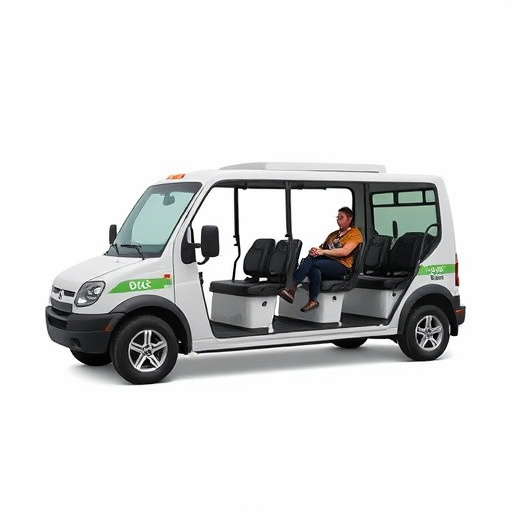
The Sonoita Wine Tour Shuttle leads a transition to electric shuttles, reducing wine tourism's carbon footprint by up to 50% through zero-emission travel. This initiative promises cost savings and enhanced experiences while setting a global model for sustainable tourism practices in the wine industry.
The wine industry, a global phenomenon celebrated for its art and culture, faces increasing scrutiny over environmental sustainability. In the picturesque landscape of Sonoita, Arizona, where bustling wine tours shuttle patrons between vineyards, reducing carbon footprints has become paramount. This article delves into the transformative potential of electric shuttle fleets in mitigating the environmental impact of popular wine trail experiences. We explore how these innovative solutions can preserve the charm of Sonoita’s wine culture while ensuring a more sustainable future for this vibrant industry.
- Implementing Electric Shuttles: A Green Approach for Sonoita Wine Tour Experiences
- The Impact: Reducing Carbon Footprints with Sonoita's Sustainable Shuttle Fleet
Implementing Electric Shuttles: A Green Approach for Sonoita Wine Tour Experiences
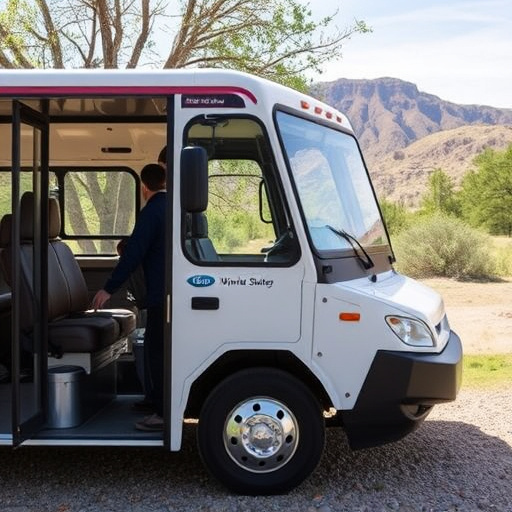
The transition to electric vehicles (EVs) is not just a trend but a necessary step towards sustainability, especially in sectors like tourism. The Sonoita Wine Trail, known for its vibrant ecosystem and picturesque landscapes, recognizes this imperative and is making strides toward reducing its carbon footprint with the implementation of an electric shuttle fleet. This green approach promises to revolutionize wine tour experiences while minimizing environmental impact.
Traditional gas-powered shuttles contribute significantly to greenhouse gas emissions, posing a challenge to the trail’s eco-conscious efforts. Electric shuttles, on the other hand, offer a viable solution by eliminating tailpipe emissions and reducing overall energy consumption. For instance, the latest electric shuttle models can travel up to 200 miles on a single charge, easily catering to the typical wine tour itinerary. Moreover, their low maintenance requirements and longer lifespans make them a cost-effective and sustainable choice.
The practical implications of this shift are profound. Wine tour operators can expect reduced operational costs due to lower fuel expenses and simplified maintenance routines. Customers will benefit from quieter, cleaner rides, enhancing the overall experience. Data from industry leaders suggests that wine regions adopting electric shuttle services have seen up to a 40% decrease in carbon emissions per visitor. Sonoita Wine Tour Shuttle, with its commitment to this technology, is poised to become a model for sustainable tourism practices, inspiring other destinations to follow suit and contribute to a greener future.
The Impact: Reducing Carbon Footprints with Sonoita's Sustainable Shuttle Fleet
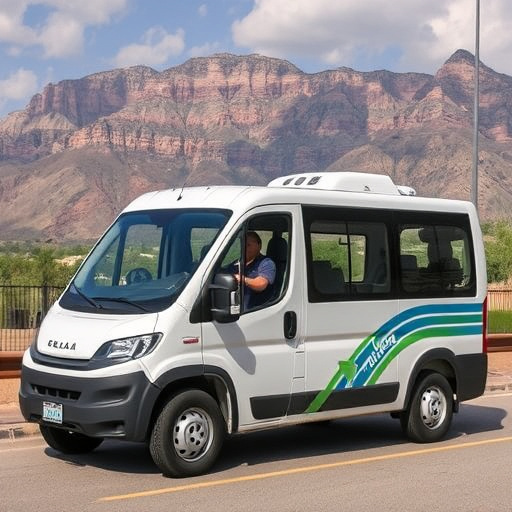
The transition to electric shuttle fleets marks a significant step forward in the sustainability journey of the Sonoita Wine Trail. This initiative is not merely a trend but a strategic move to combat climate change by reducing carbon emissions associated with traditional wine tour shuttles. The impact of this shift is profound, offering a greener alternative that benefits both the environment and the trail’s overall ecosystem.
Sonoita’s electric shuttle fleet represents a modern approach to transportation, where advanced battery technology powers vehicles, eliminating the need for fossil fuels. This simple yet powerful change significantly lowers carbon dioxide emissions, a major contributor to global warming. Data from industry sources reveals that electric vehicles can reduce carbon footprints by up to 50% compared to their gasoline counterparts. For a region renowned for its vibrant wine culture and tourism, such a sustainable solution is both timely and transformative.
The practical implications are clear. Electric shuttles provide a quieter, cleaner, and more efficient mode of transport for wine tour enthusiasts. As visitors explore the scenic trails and indulge in local vintages, they can do so with the knowledge that their travel choices contribute to a healthier environment. Moreover, this sustainable approach can foster a positive image of the wine industry, attracting eco-conscious travelers and promoting Sonoita as a leader in responsible tourism. The success of this initiative could inspire similar efforts worldwide, ultimately leading to a more sustainable future for the global wine tourism sector.
The implementation of electric shuttle fleets for Sonoita wine tour experiences offers a significant step towards reducing the carbon footprint of this popular tourist destination. By adopting a green approach, as highlighted in this article, the wine industry can play a pivotal role in sustainable tourism. The key insights reveal that electric shuttles not only minimize environmental impact but also enhance visitor experiences with quieter, cleaner rides. The success of Sonoita’s sustainable shuttle fleet demonstrates the potential for other regions to follow suit, paving the way for a greener future in wine tourism and beyond. This authoritative piece equips readers with practical knowledge, encouraging them to embrace innovative solutions like electric shuttles as a crucial component of their environmental stewardship strategies.