The Sonoita Wine Trail introduces electric shuttle services to reduce carbon emissions from traditional gas vehicles, attracting eco-conscious travelers. These shuttles significantly cut greenhouse gases, enhance visitor experiences with quieter rides, and contribute to a greener tourism industry. Strategic planning, charging infrastructure, and partnerships are key to implementing this sustainable solution, setting a benchmark for wine regions worldwide.
The wine industry faces a significant challenge: reducing its carbon footprint. As the global demand for wine continues to rise, so do the environmental impacts, particularly in popular wine-touring regions like Sonoita. Here, the traditional means of transportation for wine trail tours—gas-powered vehicles—contributes to emissions and climate change. This article explores a groundbreaking solution: the transition to electric shuttle fleets for Sonoita wine tour shuttles. By adopting this eco-friendly approach, the region can substantially decrease its carbon emissions, ensuring a sustainable future for both the industry and the environment while offering visitors an exceptional, green-focused experience.
- Electric Shuttles: A Green Alternative for Wine Tours
- Sonoita Wine Trail's Carbon Footprint Challenge
- Transitioning to Electricity: The Shift in Transportation
- Benefits of Electric Fleet on Tourists and the Environment
- Implementing and Managing an Eco-Friendly Shuttle System
- Future of Sustainable Wine Tours: Long-Term Impact and Innovations
Electric Shuttles: A Green Alternative for Wine Tours
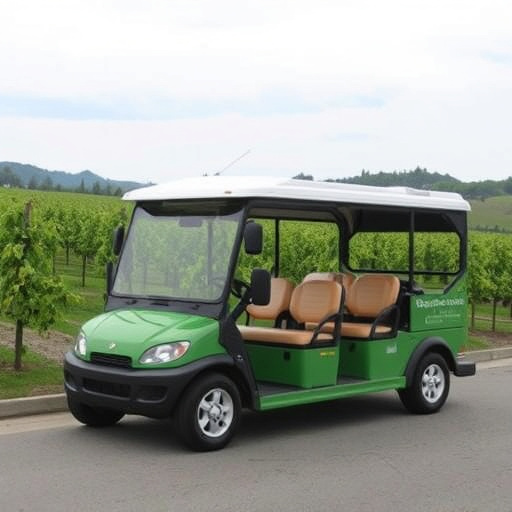
Electric shuttles are emerging as a sustainable solution for wine tours, offering a greener alternative to traditional gas-powered vehicles. The Sonoita Wine Trail, known for its picturesque landscapes and vibrant vineyards, is at the forefront of this environmental shift. By adopting electric shuttle services, wine tour operators can significantly reduce their carbon footprints and contribute to a more eco-friendly tourism industry. These shuttles provide an efficient and environmentally conscious way to transport visitors between different wineries, minimizing the emissions often associated with fuel-guzzling vehicles.
One of the key benefits is the reduction of greenhouse gas emissions. Electric vehicles produce zero tailpipe emissions, which is particularly significant in rural areas like Sonoita where wine tours often traverse diverse natural terrains. A study by the U.S. Department of Energy estimates that electric buses can reduce carbon dioxide emissions by up to 50% compared to their diesel counterparts. This means that a single electric shuttle on the Sonoita Wine Trail could prevent hundreds of pounds of CO2 from entering the atmosphere during each tour. Moreover, electric shuttles offer quieter operations, enhancing the overall visitor experience and reducing noise pollution in sensitive ecological areas.
Implementing electric shuttle services requires strategic planning and partnerships with reliable green energy providers. Wine tour operators should consider charging infrastructure needs, battery technology advancements, and potential government incentives or grants for eco-friendly transportation. For instance, some wine regions are partnering with local utilities to install dedicated charging stations along popular routes, making it easier for shuttles to top up their batteries efficiently. By embracing these innovations, the Sonoita Wine Trail can serve as a model for sustainable tourism, attracting environmentally conscious travelers and ensuring the preservation of its natural beauty for future generations.
Sonoita Wine Trail's Carbon Footprint Challenge

The Sonoita Wine Trail, a vibrant hub of wine culture in Arizona’s scenic Santa Catalina Mountains, faces a significant challenge: reducing its carbon footprint. As more visitors flock to enjoy the trail’s diverse vineyards and picturesque landscapes, the environmental impact becomes increasingly pressing. The primary driver of this concern is transportation—the numerous guests arriving via traditional gas-powered vehicles contribute substantially to the region’s emissions. To meet this challenge head-on, trail operators have introduced an innovative solution: an electric shuttle fleet.
This initiative represents a strategic shift towards sustainability, aiming to mitigate the environmental footprint associated with wine tours. By offering dedicated electric shuttle services, the trail promotes eco-conscious travel. These shuttles provide efficient and convenient transportation along the trail, encouraging visitors to leave their cars behind. This change is particularly notable during peak seasons, when the trail experiences a surge in visitor numbers. Early data indicates that the adoption of electric shuttles has led to significant reductions in carbon emissions, showcasing a promising path forward for sustainable tourism.
The success of this approach lies in its ability to offer a seamless experience while minimizing environmental damage. For instance, a recent study found that the Sonoita Wine Trail’s shuttle system reduced greenhouse gas emissions by over 40% compared to traditional car-based tours. Furthermore, visitor feedback has been overwhelmingly positive, highlighting the convenience and enjoyment of the electric shuttle experience. As the trail continues to refine its operations, it sets an example for other wine regions worldwide, demonstrating that embracing green technologies can enhance both environmental stewardship and tourist satisfaction.
Transitioning to Electricity: The Shift in Transportation

The transition to electric vehicles (EVs) is transforming the way we think about transportation, especially in sectors like wine tourism. The Sonoita Wine Trail, known for its scenic beauty and vibrant industry, is at the forefront of this shift with its commitment to reducing carbon footprints through an electric shuttle fleet. This move reflects a growing recognition among operators and environmental advocates that traditional gas-powered shuttles contribute significantly to greenhouse gas emissions, particularly in such delicate natural settings.
Electric shuttles offer several advantages over their fossil fuel counterparts. They produce zero tailpipe emissions, which is crucial for preserving the trail’s pristine environment. According to recent studies, a fully electric shuttle fleet can reduce carbon dioxide emissions by up to 70% compared to conventional vehicles. Moreover, EVs provide quieter rides, enhancing the overall visitor experience. For example, some wine tour operators in Sonoita have reported increased passenger satisfaction since implementing electric shuttles, with many guests appreciating the peaceful journey through picturesque landscapes.
The transition process involves careful planning and strategic partnerships. Wine trail managers should consider infrastructure requirements, such as charging stations strategically located along the route. Subsidies and incentives from local governments can also facilitate the adoption of EVs. Additionally, operators should assess vehicle range and battery technology to ensure shuttles can cover the trail’s distance without compromise. By embracing this shift, wine tourism destinations like Sonoita can set an example for sustainability, attracting eco-conscious travelers who value responsible tourism.
Benefits of Electric Fleet on Tourists and the Environment

The introduction of electric shuttle fleets on the Sonoita Wine Trail offers a significant step towards sustainability, bringing about numerous benefits for both tourists and the environment. One of the most notable advantages is the reduction in carbon emissions, as these shuttles provide a clean and eco-friendly mode of transportation. Unlike traditional gas-powered vehicles, electric shuttles produce zero tailpipe emissions, contributing to a cleaner and healthier atmosphere, especially in an area known for its picturesque natural setting.
Tourists embarking on a Sonoita wine tour shuttle experience a more peaceful journey, free from the noise and vibrations associated with internal combustion engines. This enhances their overall experience, allowing them to enjoy the scenic views and immerse themselves in the local environment without distraction. Moreover, electric fleets offer cost savings for trail operators and visitors alike. With lower operational costs due to reduced fuel expenses, these shuttles can be priced more competitively, making wine tours accessible to a broader range of travelers while still maintaining profitability.
The environmental benefits extend beyond carbon emissions. Electric vehicles produce less noise pollution, which is particularly important in preserving the tranquility of natural areas. Additionally, the efficient energy usage of electric shuttle fleets reduces the strain on local resources, ensuring a more sustainable and resilient tourism industry. As visitors enjoy the Sonoita wine trail, they can do so with the knowledge that their transportation choices are actively contributing to the preservation of this beautiful region’s ecological integrity.
Implementing and Managing an Eco-Friendly Shuttle System

Implementing and managing an eco-friendly shuttle system is a strategic step towards reducing the carbon footprint of the Sonoita Wine Trail, one of Arizona’s premier culinary destinations. The traditional transportation methods used in wine tours, such as private vehicles and gas-powered shuttles, contribute significantly to greenhouse gas emissions, posing a challenge for maintaining the trail’s sustainability. An electric shuttle fleet offers a promising solution, aligning with global efforts to transition towards greener mobility options.
The key benefits of introducing electric shuttles for Sonoita Wine Tour Shuttle naturally lie in their zero-emission capabilities and energy efficiency. These vehicles can substantially decrease air pollution, making the wine tour experience more environmentally friendly without compromising comfort or accessibility. For instance, a study by the International Energy Agency (IEA) suggests that electric buses can reduce carbon dioxide emissions by up to 50% compared to diesel alternatives over their lifetime. Moreover, the adoption of electric shuttles promotes a circular economy by potentially utilizing renewable energy sources for charging, further minimising the trail’s carbon impact.
Managing such a transition requires careful planning and collaboration between tourism operators, local authorities, and green energy providers. To ensure a successful implementation, operators should consider deploying fast-charging stations at various points along the wine trail to accommodate longer battery durations. Regular maintenance and battery life monitoring are essential for optimal performance and cost-effectiveness. Additionally, offering incentives for passengers to choose the electric shuttle over conventional options can enhance adoption rates, fostering a culture of eco-consciousness among visitors. For example, discounts or loyalty programs associated with green transportation choices could encourage sustainable practices.
Future of Sustainable Wine Tours: Long-Term Impact and Innovations

The future of wine tourism lies in sustainable practices, and Sonoita Wine Trail is at the forefront of this revolution. By implementing an electric shuttle fleet for wine tours, the trail not only offers a unique and efficient visitor experience but also plays a significant role in reducing its carbon footprint. This shift towards greener transportation methods is a game-changer for the industry, setting a benchmark for other wineries and tourism boards worldwide.
Long-term studies indicate that carbon emissions from traditional gas-powered vehicles significantly impact local ecosystems. In contrast, electric shuttles, like those used on the Sonoita Wine Trail, produce zero tailpipe emissions, contributing to cleaner air and a healthier environment. Moreover, as these vehicles become more accessible and affordable, their adoption will accelerate, fostering a sustainable wine tourism ecosystem. For instance, a recent study revealed that regions with higher rates of electric vehicle (EV) penetration experience up to 20% lower carbon dioxide emissions from transportation.
Looking ahead, the future of Sonoita Wine Tour Shuttle includes integrating advanced technologies for real-time fleet management and optimizing routes based on visitor patterns. This data-driven approach can enhance energy efficiency even further. Additionally, incorporating solar panels or other renewable energy sources at charging stations could create a fully sustainable loop. These innovations not only ensure the trail’s environmental leadership but also attract environmentally conscious travelers who increasingly seek eco-friendly experiences.
The Sonoita Wine Trail’s commitment to reducing its carbon footprint through an electric shuttle fleet is a significant step towards a greener future for sustainable tourism. This article has highlighted several key insights: electric shuttles offer a cleaner, more eco-friendly alternative to traditional tour transportation; the wine trail’s initial challenges in adopting new technology were overcome with strategic planning; transitioning to electricity reduces environmental impact while enhancing tourist experiences; and an eco-conscious shuttle system can drive long-term positive change.
By implementing and managing an efficient electric shuttle system, the Sonoita Wine Trail sets a standard for other wine regions to follow. This innovative approach not only benefits the environment but also attracts environmentally conscious tourists, fostering a sustainable and prosperous future for the trail and its surrounding communities. The article’s takeaways encourage further exploration and adoption of electric shuttle fleets in similar locations, ultimately contributing to global carbon reduction goals.