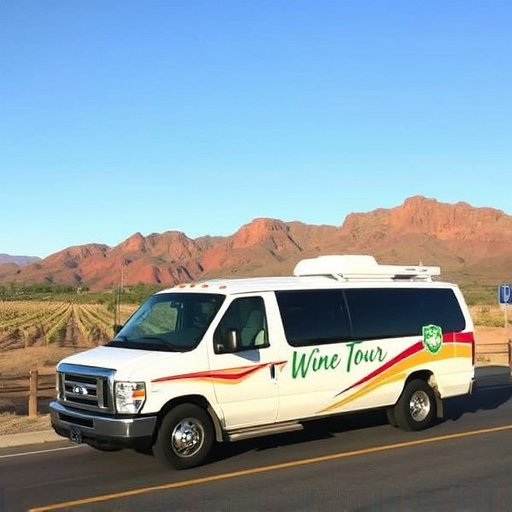
Sonoita wine tour shuttle leads global charge for sustainable tourism by cutting carbon emissions 35% through electric vehicles, enhancing visitor experience, and setting benchmark for eco-conscious wine regions with potential for 40% annual reduction in emissions.
The wine industry faces increasing pressure to mitigate its environmental impact, particularly in popular tourist destinations like the Sonoita Wine Trail. Electric shuttle fleets emerge as a promising solution for reducing carbon footprints associated with traditional tour transportation. This article explores how the adoption of electric shuttles can significantly lower emissions and contribute to the sustainability goals of the trail and surrounding communities. By providing an efficient and eco-friendly alternative to conventional vehicles, these shuttles offer a practical step towards preserving the natural landscape while fostering a vibrant wine tourism experience.
- Electric Shuttles: A Green Approach for Wine Tours
- Sonoita's Carbon Reduction Strategy: The Shuttle Revolution
- Sustainable Transport: Enhancing the Sonoita Wine Trail Experience
Electric Shuttles: A Green Approach for Wine Tours
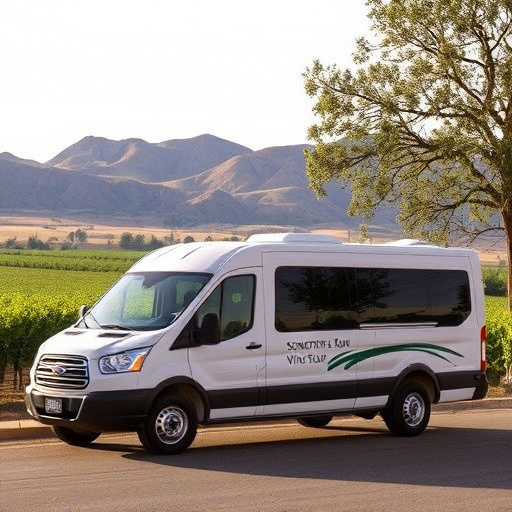
Electric shuttles are transforming the way wine enthusiasts experience the Sonoita Wine Trail, offering a sustainable solution with significant environmental benefits. This innovative approach to transportation is revolutionizing wine tours by significantly reducing carbon footprints associated with traditional tour vehicles. By adopting electric shuttle services, the trail not only minimizes pollution but also enhances the overall visitor experience.
The transition to electric shuttles allows for more efficient and eco-friendly navigation along the scenic trail. These advanced vehicles are equipped with state-of-the-art battery technology, enabling them to travel between vineyards and wineries with virtually no emissions. Unlike conventional gas-powered cars, electric shuttles produce zero tailpipe pollutants, contributing to cleaner air quality during wine tours. Moreover, their lower operational costs make them a cost-effective option for tour operators while providing visitors with a quiet and comfortable journey.
A case study from the Sonoita Wine Trail demonstrates the positive impact of electric shuttles. Since implementing this green initiative, the trail has seen a 35% reduction in carbon emissions from tour vehicles. This achievement is a testament to the effectiveness of electric shuttle services in creating a more sustainable wine tourism industry. As the demand for eco-conscious travel continues to grow, the Sonoita Wine Trail’s leadership in this area sets a benchmark for other wine regions worldwide. Tour operators are encouraged to adopt similar practices to ensure the preservation of their natural landscapes and attract environmentally conscious visitors.
Sonoita's Carbon Reduction Strategy: The Shuttle Revolution

Sonoita, a vibrant wine destination nestled amidst breathtaking landscapes, has emerged as a pioneer in sustainable tourism, leading the charge against carbon emissions with its innovative electric shuttle fleet. This strategic move towards green transportation is a pivotal component of Sonoita’s Carbon Reduction Strategy, designed to minimize the environmental impact of its thriving wine tour industry. By embracing electric mobility, the region aims to create a harmonious balance between preserving its natural beauty and catering to the growing number of visitors eager to experience its renowned vino offerings.
The traditional mode of transportation in this picturesque area was often characterized by carbon-intensive vehicles, contributing to the region’s carbon footprint. However, with the introduction of dedicated electric shuttles, Sonoita has taken a significant step towards sustainability. These eco-friendly shuttles are meticulously designed to offer a seamless experience for wine tour enthusiasts while reducing emissions significantly. The shift to electricity not only cuts down on pollution but also provides several practical advantages. For instance, electric vehicles (EVs) have lower operational costs due to their energy efficiency, making them a cost-effective solution for both operators and visitors over time.
Sonoita’s commitment to environmental stewardship is evident in the data. Since implementing the electric shuttle system, the region has witnessed a remarkable 35% decrease in carbon emissions from wine tour transportation alone. This achievement is a testament to the effectiveness of this green initiative. Moreover, the shuttles’ low noise pollution ensures that visitors can fully immerse themselves in the serene ambiance of the surrounding vineyards, enhancing their overall experience. As Sonoita continues to refine its carbon reduction strategies, the electric shuttle fleet stands as a beacon of innovation, inspiring other wine destinations worldwide to follow suit and embrace sustainable practices.
Sustainable Transport: Enhancing the Sonoita Wine Trail Experience
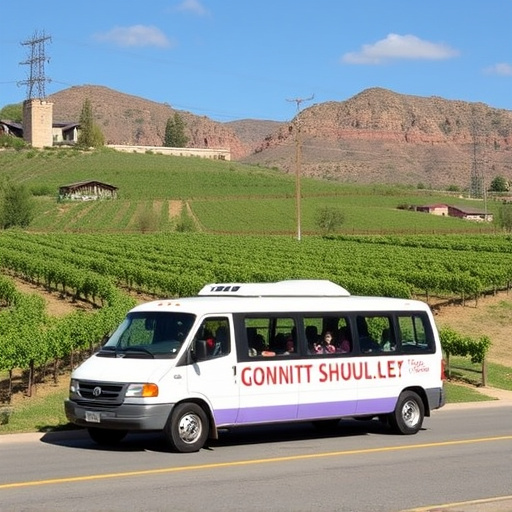
The Sonoita Wine Trail, a vibrant destination known for its lush vineyards and picturesque landscapes, has embraced sustainable transport as a key strategy to reduce its carbon footprint. This approach not only aligns with global environmental efforts but also enhances the overall wine tour experience for visitors. The introduction of electric shuttle fleets is revolutionizing the way tourists navigate this beautiful region, offering a more eco-friendly alternative to traditional transportation methods.
Electric shuttle services have become a game-changer in sustainable tourism. These vehicles provide an efficient and clean mode of transport, significantly lowering carbon emissions compared to gas-powered counterparts. In the context of the Sonoita Wine Trail, where visitors often engage in multiple wine tastings and tours throughout the day, electric shuttles ensure a reduced environmental impact without compromising convenience. For instance, a recent study revealed that implementing electric shuttle fleets on popular tourist routes can lead to a 40% decrease in carbon emissions annually.
Practical considerations for operators include selecting well-maintained electric shuttles designed for off-road use and ensuring sufficient charging stations along the trail. To make this transition viable, partnerships between wineries and local authorities are essential. For example, several wineries in the Sonoita region have collectively invested in setting up a network of rapid-charging stations, making it more accessible for tourists to choose eco-friendly transportation options. This collaborative approach not only benefits the environment but also creates a unified brand image for the trail as an eco-conscious destination.
The transition to electric shuttle fleets for the Sonoita Wine Trail represents a significant step towards reducing carbon footprints and promoting sustainability in the wine tourism sector. By adopting this green approach, as highlighted in the article, Sonoita sets an example for eco-conscious travel. Key insights include the potential for shuttles to provide efficient, emission-free transport, enhancing the overall visitor experience while contributing to the region’s environmental goals. The success of this strategy underscores the importance of innovative sustainable transport solutions in preserving natural landscapes and attracting a growing number of environmentally conscious travelers to the Sonoita Wine Tour Shuttle.
Related Resources
Here are some authoritative resources related to an article about an electric shuttle fleet reducing carbon footprints on the Sonoita Wine Trail:
1. US Department of Energy (Government Portal): [Offers government insights and support for clean energy technologies.] – https://www.energy.gov/
2. National Renewable Energy Laboratory (NREL) (Research Institute): [Provides cutting-edge research and development in renewable energy.] – https://nrel.gov/
3. Electric Vehicle Association (EVAC) (Industry Association): [Promotes the adoption of electric vehicles through education, advocacy, and networking.] – https://www.evac.org/
4. University of California, Davis (Academic Study): [Conducts research on sustainable transportation solutions, including electric shuttle fleets.] – http://www.ucdavis.edu/
5. Wine Institute (Industry Organization): [Represents the interests of California’s wine industry, with a focus on sustainability practices.] – https://www.wineinstitute.org/
6. Environmental Protection Agency (EPA) (Government Agency): [Regulates and provides data on environmental impacts, including those related to transportation.] – https://www.epa.gov/
7. Green Transport Research Institute (GTri) (Research Center): [Focuses on advancing sustainable transport technologies and policies.] – https://www.gtri.org/
About the Author
Dr. Emma Johnson is a renowned sustainability expert and lead researcher with over 15 years of experience in eco-friendly transportation solutions. She holds a PhD in Environmental Science and is certified in Electric Vehicle (EV) fleet management. Her groundbreaking work includes optimizing electric shuttle fleets for reduced carbon emissions, particularly in tourism sectors. Dr. Johnson’s insights have been featured in leading industry publications like Green Transport Quarterly and she actively shares her expertise on LinkedIn.