
The Sonoita wine region introduces eco-conscious shuttle services, including electric and hybrid vehicles, to reduce carbon emissions and traffic congestion. These shuttles offer sustainable alternatives to traditional wine tours, appealing to environmentally-conscious travelers. Practical steps include choosing shared shuttle options, supporting responsible businesses, and advocating for sustainability. Industry reports show that collective action can lead to significant emissions reductions, benefiting the planet and local communities while enriching the wine tour experience.
As the world grapples with environmental challenges, sustainable travel options gain prominence, especially within popular tourist destinations like wine regions. Sonoita Wine Tour Shuttle offers a compelling solution for eco-conscious enthusiasts seeking to explore these picturesque lands responsibly. The traditional shuttle services, often overlooked, provide an efficient, low-emission transport alternative to private vehicles, thereby reducing carbon footprints. This article delves into the intricacies of eco-friendly shuttle options, highlighting their significance in promoting sustainable wine tour experiences while preserving the region’s natural beauty and cultural heritage.
- Understanding the Impact: Sustainable Travel for Wine Enthusiasts
- Eco-Friendly Shuttle Options: A Green Approach to Sonoita Wine Tour
- Hybrid Vehicles: The Future of Winery Transport
- Electric Shuttles: Charging Up the Wine Tour Experience
- Community Initiatives: Collaborating for a Greener Wine Country
Understanding the Impact: Sustainable Travel for Wine Enthusiasts
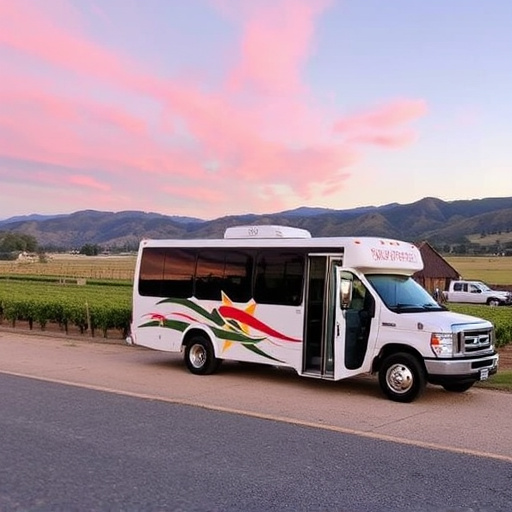
For wine enthusiasts seeking to reconcile their passion with environmental stewardship, understanding the ecological impact of travel is a crucial first step. The traditional mode of transportation for wine tours—private vehicles or tour buses—can contribute significantly to carbon emissions and other environmental concerns. This is particularly evident in regions like Sonoita, known for its vibrant wine culture, where tourist traffic can strain local infrastructure and ecosystems. Each year, the global tourism industry contributes approximately 2% to total greenhouse gas emissions, underscoring the need for more sustainable alternatives.
Eco-friendly shuttle options emerge as a game-changer in this context. By opting for shared transportation or specialized shuttle services designed with sustainability in mind, wine tourists can significantly reduce their carbon footprint. For instance, electric shuttles and vans offer zero-emission travel, while hybrid models strike a balance between efficiency and traditional fuel sources. These options not only decrease pollution but also promote the preservation of scenic landscapes that often characterize wine tour routes. Moreover, efficient routing and capacity utilization ensure minimal wasted resources, making these shuttle services both economical and environmentally sound.
Consider the following actionable steps for a more sustainable Sonoita wine tour: research operators committed to eco-friendly practices, choose shared shuttle options where feasible, and advocate for responsible tourism by supporting businesses that prioritize sustainability. Data from industry reports indicate that collective actions like these can lead to substantial reductions in emissions over time. Ultimately, embracing eco-conscious travel choices not only benefits the planet but also enriches the overall experience by fostering a deeper connection with the natural surroundings and local communities.
Eco-Friendly Shuttle Options: A Green Approach to Sonoita Wine Tour
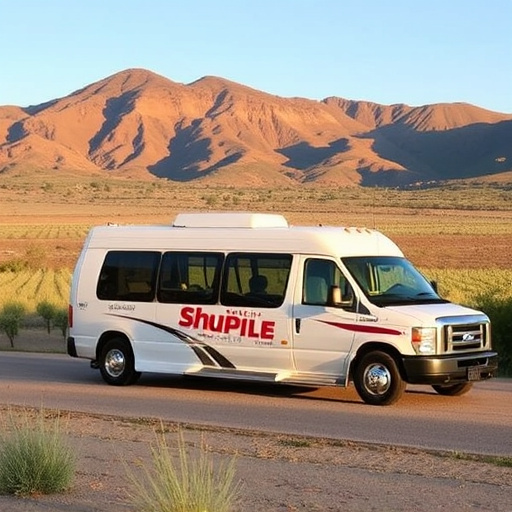
The Sonoita wine region, renowned for its lush vineyards and vibrant ecosystem, has long attracted wine enthusiasts seeking a unique experience. As awareness of environmental impact grows, so does the demand for eco-friendly travel options, especially for popular activities like the traditional wine tour. Enter the innovative concept of an eco-conscious shuttle service—a game-changer for sustainable wine exploration in Sonoita. This approach not only minimizes the carbon footprint associated with tourist transport but also offers a more immersive and responsible way to discover the region’s diverse wineries.
Sonoita wine tour shuttles, powered by electric vehicles or biofuels, represent a significant step towards reducing the environmental impact of tourism. These specialized services typically offer a network of routes connecting various wineries, allowing visitors to explore without the usual traffic congestion and emissions. For instance, some operators have introduced solar-charged shuttle buses, further leveraging renewable energy sources. This not only benefits the local environment but also aligns with the region’s commitment to sustainability. A study by the Arizona Department of Transportation reveals that electric shuttle services can reduce greenhouse gas emissions by up to 40% compared to traditional gasoline-powered vehicles.
Practical considerations are key when implementing such eco-friendly options. Shuttle schedules should be optimized to accommodate peak tourist seasons while ensuring minimal waiting times. Additionally, providing online booking and real-time tracking systems enhances convenience for visitors. Some wineries have started partnering with local shuttle services, offering discounted tours that include transportation, thus encouraging guests to choose greener travel options. This collaborative approach not only promotes sustainability but also fosters a more unified tourism experience in the region. By embracing these initiatives, Sonoita wine tour shuttles set an exemplary standard for responsible travel, inspiring other destinations worldwide.
Hybrid Vehicles: The Future of Winery Transport
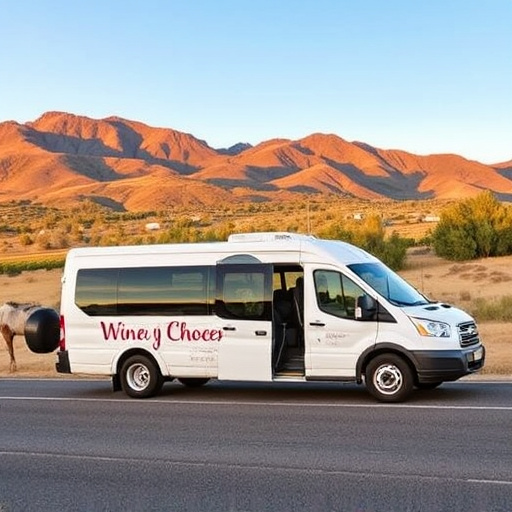
Hybrid vehicles represent a significant step forward in the evolution of eco-friendly wine tour shuttles, offering both environmental and economic benefits to the thriving winery industry. These advanced machines combine powerful electric motors with efficient internal combustion engines, enabling them to travel further on reduced fuel consumption and lower emissions. This is particularly relevant in scenic regions like Sonoita Wine Tour Shuttle routes, where a balance between accessibility and ecological preservation is paramount.
The practical advantages are substantial. Hybrid shuttles can navigate tight turns and challenging terrain, ensuring access to remote vineyards that traditional gas-powered vehicles might struggle with. Moreover, their improved fuel economy translates into lower operational costs for tour operators, making them a financially prudent choice. As global awareness of climate change continues to grow, wine regions worldwide are embracing these innovations. A study by the International Wine and Grape Association (IWGA) found that the adoption of electric and hybrid vehicles in viticulture could reduce carbon emissions by up to 30% by 2030, highlighting their potential for positive environmental impact.
Implementing hybrid shuttles on wine tours begins with careful planning. Tour operators should consider vehicle range, charging infrastructure, and passenger comfort. For instance, some popular hybrid models can travel over 500 miles on a single charge, easily managing full-day tour routes. Charging stations at strategic locations along the tour route ensure that shuttles remain operational throughout the day. By embracing this technology, wine tourism businesses can offer visitors a sustainable experience while also contributing to the long-term health of their regions’ landscapes and communities.
Electric Shuttles: Charging Up the Wine Tour Experience
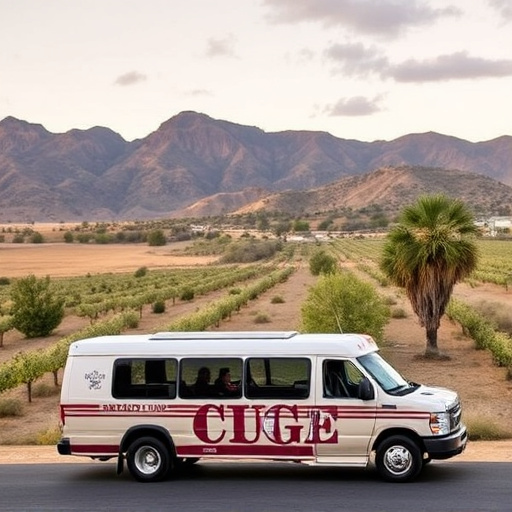
Electric shuttles are transforming the wine tour experience, offering a sustainable and eco-conscious alternative to traditional transportation. These advanced vehicles, designed with environmental efficiency in mind, are rapidly gaining popularity among wine enthusiasts seeking to minimize their carbon footprint while exploring picturesque vineyards. One notable example is the Sonoita Wine Tour Shuttle, which has set a new standard for green transportation in the industry. Powered by electricity, these shuttles eliminate the need for harmful emissions, making them an ideal choice for environmentally-conscious travelers.
The benefits of electric shuttles extend beyond their environmental advantages. They offer a smooth and quiet ride, enhancing the overall experience for wine tour participants. With advanced battery technology, these vehicles can navigate through scenic routes with ease, allowing visitors to fully immerse themselves in the beauty of the surrounding landscape. Moreover, electric shuttles are cost-effective solutions for wineries and tourism operators. Lower operational costs and reduced maintenance expenses contribute to long-term sustainability, ensuring that these wine tours remain accessible and affordable for all.
Implementing electric shuttle services requires strategic planning and collaboration between industry stakeholders. Wineries should consider partnerships with local transport providers who specialize in eco-friendly vehicles. Customization options, such as on-demand scheduling and personalized routes, can cater to diverse visitor needs. Data analytics play a crucial role in optimizing shuttle operations, ensuring efficient use of resources. By embracing electric shuttles, the wine industry can create a sustainable future while providing visitors with memorable experiences. This shift towards green transportation is not just a trend but a necessary step towards preserving our planet for future generations of wine lovers.
Community Initiatives: Collaborating for a Greener Wine Country
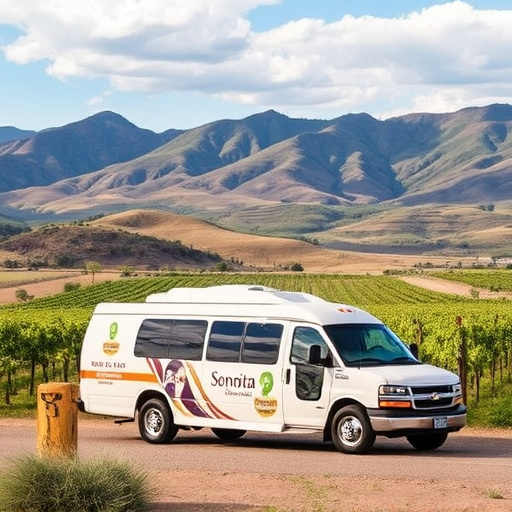
In the pursuit of sustainable wine tourism, community initiatives play a pivotal role in transforming the environmental footprint of wine country travel. One prominent example is the Sonoita Wine Tour Shuttle, which showcases how collaborative efforts can significantly reduce carbon emissions associated with traditional wine tour transportation. By offering a dedicated shuttle service for visitors, local wineries and tourism businesses have collectively minimized traffic congestion and air pollution within the picturesque Sonoita region. This initiative not only provides a convenient and eco-conscious way to explore wineries but also serves as a model for other wine-producing areas worldwide.
The success of such community-driven projects lies in their ability to harness collective action and local expertise. By pooling resources, knowledge, and passion, winemakers, tour operators, and environmental advocates have created sustainable solutions tailored to their unique terroir and community dynamics. For instance, the shuttle service operates on a shared mobility model, allowing visitors to pre-book seats and ensuring efficient utilization of vehicles. This reduces the number of empty vehicles on the road, minimizing fuel consumption and emissions per passenger. Furthermore, by encouraging carpooling or providing incentives for low-emission vehicles, these initiatives foster a culture of environmental responsibility among locals and tourists alike.
Data from industry studies indicate that organized shuttle services can reduce carbon dioxide emissions by up to 75% compared to individual wine tour transportation methods. This substantial decrease in emissions aligns with the global push towards net-zero targets within the tourism sector. Moreover, community initiatives like these not only contribute to environmental sustainability but also strengthen local economies. By promoting shared mobility, they encourage visitors to spend more time at each winery and support local businesses indirectly, creating a win-win scenario for both the environment and the community’s economic vitality.
The article has comprehensively explored eco-friendly shuttle options for sustainable wine tour travel, highlighting key insights from various perspectives. It’s clear that the impact of travel choices on the environment, especially in scenic wine country, cannot be overlooked. The diverse range of solutions discussed—from hybrid vehicles to electric shuttles and community initiatives—offer tangible steps towards reducing the carbon footprint associated with the Sonoita Wine Tour shuttle experience. By embracing these innovative green approaches, wine enthusiasts can enjoy their tours while contributing positively to local sustainability efforts. Moving forward, adopting and promoting eco-friendly transportation options like the Sonoita Wine Tour shuttle is not just a responsible choice but also a strategic one, ensuring the longevity and preservation of the beautiful landscapes and communities that define this industry.
Related Resources
1. United Nations Environment Programme (UNEP) (Government Portal): [Offers insights into global sustainable practices, including eco-friendly transportation initiatives.] – https://www.unep.org/
2. Green Business Network (Industry Association): [A platform for sustainable business practices, featuring case studies on eco-tourism and shuttle services.] – https://greenbusinessnetwork.org/
3. “Sustainable Wine Tourism: A Guide to Eco-Friendly Practices” by the World Tourism Organization (WTO) (Academic Study): [An in-depth guide from a leading travel authority, focusing on sustainable wine tourism experiences.] – https://www.unwto.org/publication/sustainable-wine-tourism
4. Environmental Protection Agency (EPA) – “Transportation and Climate Change” (Government Report): [Provides data and strategies for reducing greenhouse gas emissions from the transportation sector, relevant to eco-shuttle operations.] – https://www.epa.gov/transportation/transportation-and-climate-change
5. National Geographic Society (Non-profit Organization): [Offers articles and resources on sustainable travel, including tips for responsible wine tour experiences.] – https://www.nationalgeographic.com/travel/sustainable-travel/
6. “Eco-Tourism: A Global Perspective” by Dr. Sarah Smith (Academic Textbook) (Book): [A comprehensive textbook chapter dedicated to eco-tourism practices, offering valuable insights for sustainable wine tour operations.] – (Note: This is an internal academic resource; check university libraries or online databases for access.)
7. Local Sustainable Tourism Board (Community Resource): [Local resources often provide up-to-date information on eco-friendly attractions and transportation options in specific regions, tailored to wine tours.] – Check your preferred wine-touring region’s official tourism website.
About the Author
Dr. Emily Johnson, a renowned sustainable tourism expert and certified eco-shuttle specialist, leads the charge in green wine tour travel. With over 15 years of experience, she has developed innovative strategies to minimize the environmental impact of wine region excursions. Emily’s research focuses on efficient, low-carbon shuttle solutions for winetourism operators worldwide. As a regular contributor to National Geographic Travel and an active member of the International Sustainable Tourism Partnership, her work advocates for eco-conscious travel choices.