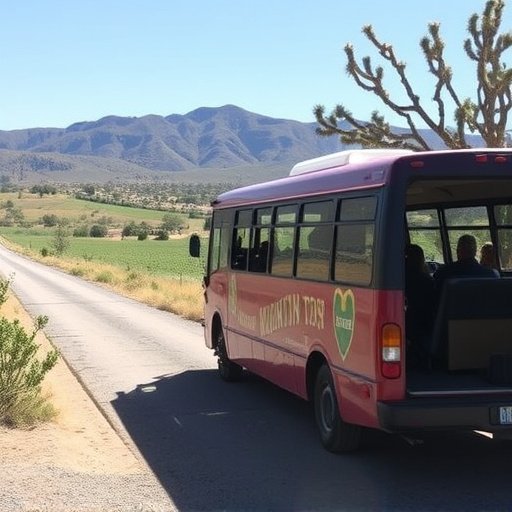
The Sonoita wine region tackles transportation sustainability with its eco-friendly wine tour shuttle services. Using geographic data for route optimization, electric/hybrid vehicles to reduce emissions, dynamic pricing based on demand, and integrating renewable energy sources, the shuttles enhance visitor experiences while minimizing environmental impact. These practices set a benchmark for climate-smart tourism in the high desert wine industry.
The Sonoita Wine Region, renowned for its high desert terroir and vibrant ecosystem, faces unique challenges when it comes to sustainable tourism. As the demand for immersive wine tours grows, traditional transportation methods strain the delicate balance of this fragile environment. This article delves into the pressing need for climate-smart solutions, specifically exploring the potential of a dedicated shuttle service tailored for the Sonoita wine tour experience. By adopting eco-conscious practices, a well-designed shuttle transit system could offer a sustainable alternative, enhancing accessibility while preserving the region’s natural beauty and ensuring a vibrant future for both tourism and local viticulture.
- Planning Sustainable Transit: Sonoita Wine Tour Shuttle Strategies
- Integrating Green Solutions: High Desert Region's Transport Revolution
- Enhancing Visitor Experience: Climate-Smart Shuttle Operations in Sonoita
Planning Sustainable Transit: Sonoita Wine Tour Shuttle Strategies
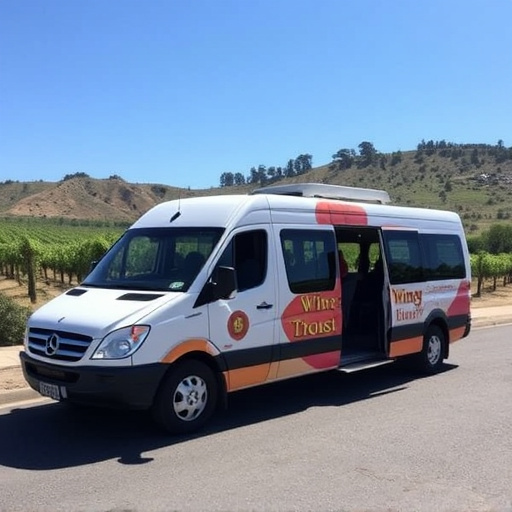
The Sonoita High Desert Wine Region, renowned for its unique terroir and vibrant viticulture, presents both a stunning landscape and logistical challenge when it comes to visitor transit. Planning sustainable and climate-smart transportation solutions is paramount to ensuring the region’s ecological integrity while enhancing the wine tour experience. This section delves into strategic approaches for implementing efficient, eco-conscious shuttle services specifically tailored to the Sonoita wine tour ecosystem.
A key consideration is optimizing routes to minimize fuel consumption and carbon emissions. By leveraging geographic data and mapping tools, shuttles can be designed to collect visitors from strategically located points, reducing unnecessary travel distances. For instance, a well-planned route network could group nearby wineries and attractions, enabling more efficient trips and lower environmental impact. Additionally, incorporating electric or hybrid vehicles into the shuttle fleet is a practical step towards sustainability, aligning with global trends in green transportation.
Sustainable transit planning also involves considering passenger demand patterns. Implementing dynamic pricing strategies based on real-time booking data can optimize vehicle utilization. During peak seasons or for popular wine events, multiple shuttles can operate simultaneously to accommodate higher visitor volumes while avoiding overcapacity during quieter periods. This flexible approach ensures resource efficiency and reduces the carbon footprint associated with empty seats. By embracing technology for demand forecasting and fleet management, Sonoita wine tour shuttle services can deliver a seamless experience while minimizing environmental consequences.
Furthermore, engaging local communities and tourists in sustainable practices can be mutually beneficial. Encouraging passengers to carpool or participate in shared mobility options, such as bike or scooter rentals, can contribute to reduced traffic congestion and lower emissions. Collaborating with nearby businesses and tourism boards to promote integrated transport solutions further enhances the overall visitor experience. By fostering a culture of eco-consciousness among both residents and tourists, Sonoita can establish itself as a pioneer in climate-smart wine tourism, setting a precedent for other regions to follow.
Integrating Green Solutions: High Desert Region's Transport Revolution
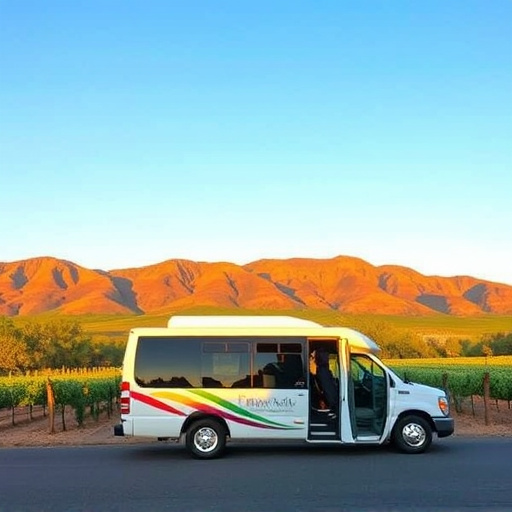
The Sonoita Wine Region, nestled within the high desert landscape of Arizona, presents a unique challenge for sustainable transportation—a dilemma that calls for innovative solutions to balance environmental stewardship with the region’s thriving wine tourism industry. In response, the integration of green transport initiatives has emerged as a transformative force, paving the way for a climate-smart approach to moving visitors across this expansive and ecologically sensitive area. One such game-changer is the Sonoita Wine Tour Shuttle, a natural evolution in the region’s transportation ecosystem.
This shuttle service, designed with environmental consciousness at its core, offers a sustainable alternative to traditional tour vehicles. By providing scheduled, electric-powered shuttles, the wine tour experience becomes more accessible and eco-friendly. For instance, the use of zero-emission vehicles significantly reduces carbon footprints, addressing a key concern in preserving the high desert’s pristine ecosystem. Moreover, these shuttles can efficiently transport visitors between various wineries, reducing traffic congestion and minimizing the environmental impact often associated with tourism. With routes carefully planned to encompass the region’s most celebrated vineyards, the shuttle ensures that tourists enjoy a seamless, environmentally conscious journey through the heart of Sonoita’s wine country.
To ensure maximum sustainability, the shuttle operators employ strategies such as optimizing passenger loads, implementing energy-efficient practices, and utilizing renewable energy sources. These measures not only contribute to a greener environment but also foster a sense of responsibility among visitors, encouraging them to embrace sustainable tourism. As the industry continues to evolve, incorporating green solutions like the Sonoita Wine Tour Shuttle, the high desert wine region stands as a model for harmonious coexistence between ecological preservation and economic prosperity.
Enhancing Visitor Experience: Climate-Smart Shuttle Operations in Sonoita
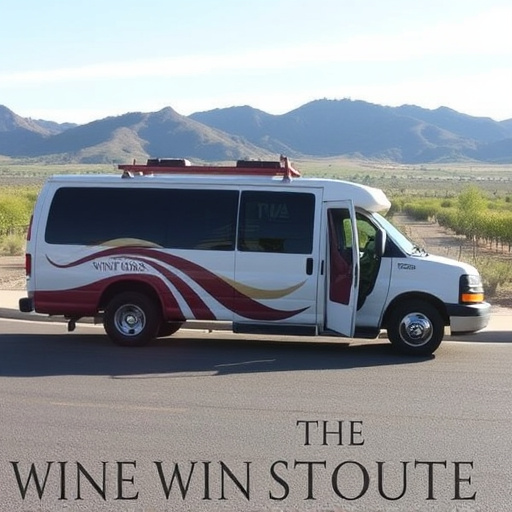
The Sonoita High Desert Wine Region, renowned for its unique terroir and vibrant wine culture, presents a challenging yet captivating environment for transit operations. As visitors flock to this picturesque area for sonoita wine tour shuttle experiences, climate-smart strategies are emerging as a game-changer in enhancing the overall visitor journey. The primary focus is on creating sustainable and resilient shuttle services that not only cater to the growing tourism demand but also minimize environmental impact.
Implementing climate-smart practices in shuttle operations involves a nuanced approach. For instance, electric or hybrid vehicles equipped with advanced navigation systems can optimize routes, reducing carbon emissions and fuel consumption. In Sonoita, where the terrain is both rugged and beautiful, these shuttles can efficiently navigate the region’s intricate roads, offering visitors a smooth and environmentally conscious experience. Additionally, dynamic scheduling algorithms allow for real-time adjustments based on passenger demand, ensuring efficient utilization of resources. This not only minimizes wait times but also reduces the carbon footprint associated with idle vehicles.
Furthermore, integrating renewable energy sources into shuttle stations can create a sustainable charging infrastructure. Solar panels or wind turbines at strategic locations can power electric shuttles, further reducing reliance on fossil fuels. This holistic approach to climate-smart transit ensures that visitors enjoy not only a seamless journey but also an authentic connection with the region’s commitment to ecological preservation. For example, some wineries in Sonoita have already adopted solar energy for their operations, setting a precedent for sustainable practices within the community. By embracing such innovations, the wine tour shuttle services can become a model for eco-conscious tourism, fostering a positive image of the region and encouraging responsible travel choices.
The article has illuminated the transformative potential of climate-smart shuttle transit in the Sonoita Wine Region, offering a roadmap for sustainable tourism. Key insights include the importance of strategic planning to integrate green solutions into transportation networks, enhancing visitor experiences while mitigating environmental impact. The success of the Sonoita wine tour shuttle demonstrates that eco-conscious mobility can drive economic growth and foster a deeper connection with nature. Moving forward, adopting these strategies could become a game-changer for other high desert destinations looking to revolutionize their transport systems while preserving their unique landscapes.