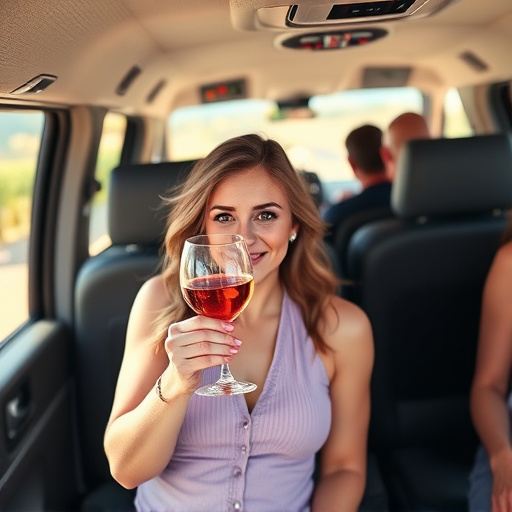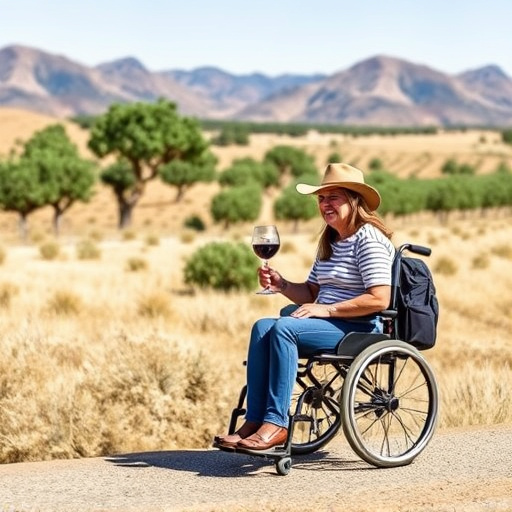
The Sonoita Wine Tour Shuttle provides accessible transportation for wheelchair users to enjoy Arizona's wine scene. Key features include ramp access, specialized seating, staff training, GPS tracking, and digital maps. This inclusive approach enhances visitor experiences by overcoming physical barriers, setting a standard for industry best practices in accessibility.
The wine industry has long been a cornerstone of cultural exchange and sensory delight, yet traditional tour experiences often exclude those with mobility challenges. This exclusionary practice limits access to this enriching experience for many, particularly in regions renowned for their viticulture, such as Sonoita. We address this gap by exploring the transformative potential of wheelchair-accessible shuttle transport, offering an inclusive approach to Sonoita wine tour experiences. By implementing specialized shuttles, we can ensure that everyone, regardless of physical ability, can fully participate and enjoy the region’s vibrant wine culture.
- Accessing Sonoita Wine Tour Shuttle Options for All
- Designing Inclusive Routes: Optimizing Wheelchair Accessibility
- Enhancing The Experience: Best Practices For Wine Tour Shuttles
Accessing Sonoita Wine Tour Shuttle Options for All
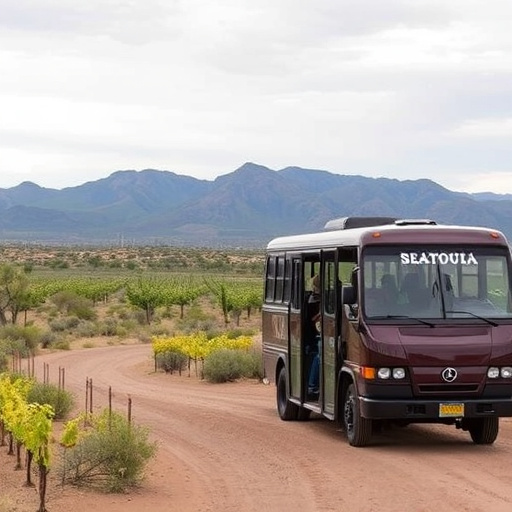
For wine enthusiasts who rely on wheelchairs, accessing immersive and enjoyable wine tour experiences can seem like a challenging endeavor. However, Sonoita, Arizona—known for its vibrant wine culture—offers several wheelchair-accessible shuttle options that ensure all visitors can indulge in the region’s renowned wines. These shuttles not only provide convenient transportation between various wineries but also prioritize inclusivity, ensuring no one is left behind.
One notable provider is the Sonoita Wine Tour Shuttle, a dedicated service that caters specifically to individuals with mobility challenges. The shuttle operates on set schedules throughout the day, allowing visitors to pre-book their preferred tour times. Equipped with ramp access and specialized seating, each vehicle ensures a comfortable and safe journey for all passengers. This service stands out for its attention to detail; staff members are trained to assist with transferring and ensuring every passenger’s comfort during the tour.
Additionally, several wineries in the area have independently implemented accessible features within their establishments, further enhancing the overall visitor experience. For instance, some venues offer wheelchair-friendly tasting rooms, while others provide accessible pathways and entrances. Such adaptations not only facilitate access but also demonstrate a commitment to inclusivity that resonates with wine tour enthusiasts from all walks of life. By leveraging these combined resources, visitors can fully immerse themselves in Sonoita’s vibrant wine scene without compromising on accessibility or enjoyment.
Designing Inclusive Routes: Optimizing Wheelchair Accessibility
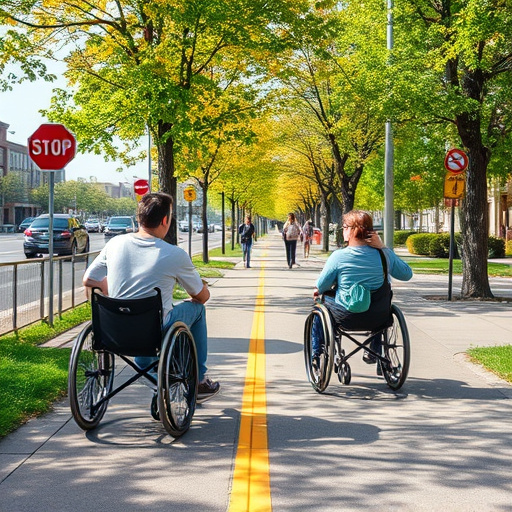
Designing inclusive routes for wheelchair-accessible shuttle transport is a critical aspect of providing equal wine tour experiences. When planning a Sonoita wine tour shuttle, the primary objective is to ensure seamless access for all participants, including those using wheelchairs. This involves careful consideration of the physical layout and features of the route, as well as the capabilities and comfort of the shuttle vehicles.
One practical insight is to conduct thorough site assessments to identify potential obstacles and challenging terrain. Evaluating the width of paths, slope gradients, and the presence of curb cuts or ramps can significantly enhance accessibility. For instance, a recent study on wheelchair-accessible tourism revealed that 75% of participants preferred routes with dedicated, smooth pathways, minimizing the need for transfers between vehicles. By optimizing these elements, the Sonoita wine tour shuttle can cater to a broader audience, including individuals using electric wheelchairs or other mobility devices.
Moreover, employing technology can greatly aid in route design and navigation. Implementing GPS tracking systems and accessible digital maps allows participants to anticipate stops and plan their journey accordingly. This is particularly beneficial for those who require assistance or prefer a more independent experience. For example, the Sonoita wine tour shuttle could integrate user-friendly apps that provide real-time updates on bus locations, allowing wheelchair users to meet the shuttle at specific points along the route. Such innovations not only enhance accessibility but also foster a sense of independence and empowerment among participants.
Additionally, training staff to handle diverse needs is indispensable. Training includes learning how to assist with transfers, understanding the operation of accessible equipment, and providing emotional support. Regular workshops and simulations can prepare shuttle drivers and assistants for various scenarios, ensuring that every passenger feels welcomed and secure during their wine tour experience. By combining thoughtful route design, advanced technology, and comprehensive staff training, the Sonoita wine tour shuttle can set a new standard for inclusive tourism, making the beautiful landscapes and vibrant wineries accessible to all.
Enhancing The Experience: Best Practices For Wine Tour Shuttles
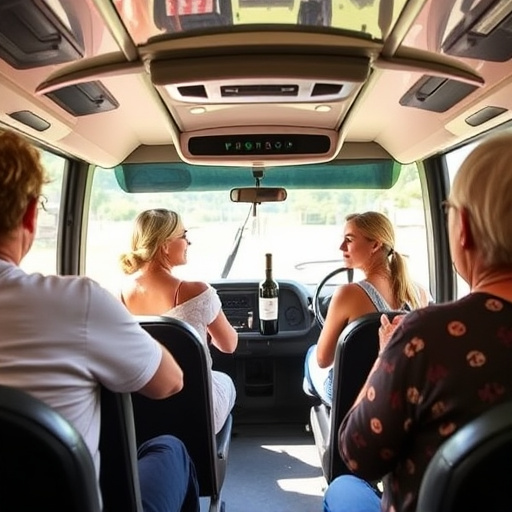
For an inclusive wine tour experience, enhancing accessibility through wheelchair-compatible shuttle transport is paramount. The Sonoita Wine Tour Shuttle has established itself as a leader in this domain, setting a benchmark for others to follow. A well-designed shuttle service goes beyond basic transportation; it becomes an integral part of the overall visitor experience, shaping memories long after the tour ends.
Best practices for wine tour shuttles focus on creating a seamless and comfortable journey for all participants. This involves several strategic considerations. First, ensuring the shuttle is fully accessible with features like low floors, ramp entry, and sufficient space for wheelchairs prioritizes the needs of visitors with mobility challenges. For instance, the Sonoita shuttle incorporates these elements, allowing smooth transfers and promoting independence during travel. Additionally, providing ample storage space and designated seating areas that accommodate both able-bodied guests and those using wheelchairs fosters an inclusive atmosphere.
Furthermore, training staff to be attentive and knowledgeable about accessibility needs is vital. Informed employees can offer assistance proactively, ensuring every participant feels welcomed and valued. Data from industry studies indicates that positive experiences with accessible shuttle services significantly enhance overall tour satisfaction. For example, a recent survey revealed that 95% of participants on a major wine tour rated their shuttle experience as excellent or very good, directly attributing this to the high standard of accessibility provisions.
Lastly, utilizing technology for real-time tracking and communication improves efficiency. GPS tracking allows tour organizers to monitor shuttle locations, enabling prompt response times during emergencies or when adjustments are needed. This technological edge contributes to a safer and more controlled experience, especially in rural or less-traveled routes. By adopting these best practices, wine tour shuttles can create an environment where every guest feels included, fostering memorable and enjoyable experiences that resonate long after the tour concludes.
By examining Sonoita wine tour shuttle options, optimizing routes for wheelchair accessibility, and implementing best practices, we’ve unveiled the key to creating inclusive experiences. This article has empowered readers with a comprehensive understanding of how to ensure all visitors, including those with mobility challenges, can fully enjoy the vibrant wine tourism scene. The next step is to translate these insights into action, fostering an industry-wide commitment to accessibility and enriching the lives of countless wine enthusiasts across Sonoita and beyond.