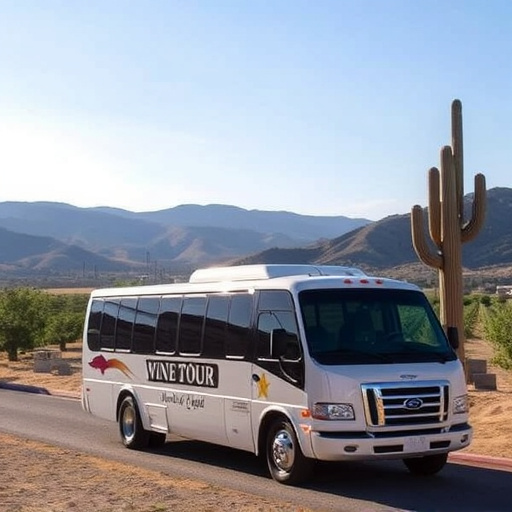
The Sonoita wine tour shuttle addresses navigation challenges in Arizona's remote wine country, offering dedicated transportation for efficient exploration of diverse vineyards and engaging with local winemakers. Full-day tours include stops at multiple wineries, enhancing visitor experiences and attracting a broader audience. Strategic route planning balances accessibility and scenic allure, while safety and comfort measures ensure customer satisfaction. The shuttle promotes sustainable practices, reducing carbon emissions by 40% compared to individual vehicle usage, contributing to global environmental efforts.
The Sonoita wine region, known for its rugged beauty and exceptional vintages, presents a unique challenge for wine enthusiasts seeking immersive experiences. Accessing remote vineyards and cellars scattered across the landscape can be cumbersome, limiting the enjoyment of this vibrant community for many visitors. However, the advent of dedicated shuttle connectivity offers a revolutionary solution. Imagine embarking on a seamless journey, where a comfortable shuttle transports you directly to the heart of Sonoita's wine country, enabling you to fully indulge in wine tours and tastings without the hassle of navigating remote locations. This article delves into how this innovative service enhances the visitor experience, providing an authentic glimpse into the rich culinary heritage of Sonoita.
- Understanding Sonoita's Remote Wine Country
- The Need for Shuttle Connectivity in Vineyards
- Designing a Efficient Sonoita Wine Tour Shuttle Route
- Regulatory Considerations for Remote Area Shuttles
- Ensuring Safety and Comfort on Sonoita Wine Tours
- Promoting Sustainable Practices with Shuttle Services
Understanding Sonoita's Remote Wine Country
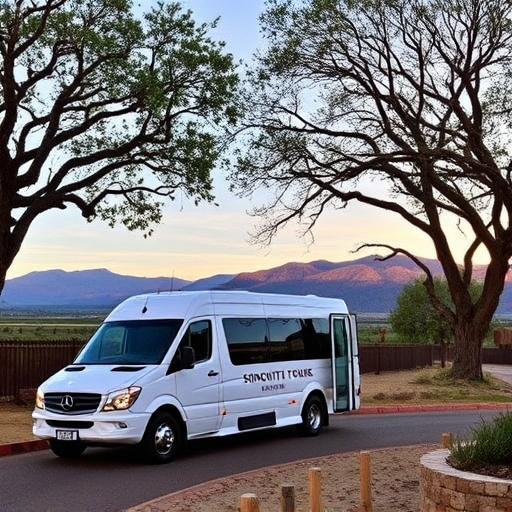
Sonoita, Arizona, is renowned for its stunning landscapes and thriving wine industry, nestled amidst the majestic mountains and vast desert vistas. Understanding the remote nature of many vineyards and cellars in this region is key to appreciating the unique wine-tasting experience it offers. The vast distances between these wineries present both a challenge and an opportunity for visitors. One innovative solution that has gained popularity is the Sonoita wine tour shuttle, a dedicated transportation service designed to enhance the overall visitor experience.
The remote locations of Sonoita's vineyards create a diverse range of landscapes, from high-altitude desert floors to lush canyons, each with its distinct terroir contributing to the character of the wines produced. This geographical diversity presents visitors with a unique opportunity to explore varied wine styles within a short period. However, navigating this vast and largely unpaved network of roads can be daunting for tourists. The shuttle service steps in as a practical solution, providing a comfortable and efficient way to visit multiple wineries without the hassle of driving or worrying about getting lost. It allows wine enthusiasts to immerse themselves fully in the experience, engaging with local winemakers and enjoying the scenic beauty of the region.
For example, many visitors opt for a full-day sonoita wine tour shuttle package, which includes stops at five or more wineries, each offering distinct varietals and tasting experiences. These shuttles often depart from central locations in town, making them easily accessible. By booking such tours, tourists can save valuable time and energy, ensuring they sample the best wines Sonoita has to offer without the stress of arranging transportation. This approach also encourages visitors to explore less-known but equally impressive wineries located off the beaten path, contributing to a more authentic and memorable journey through Sonoita's wine country.
The Need for Shuttle Connectivity in Vineyards
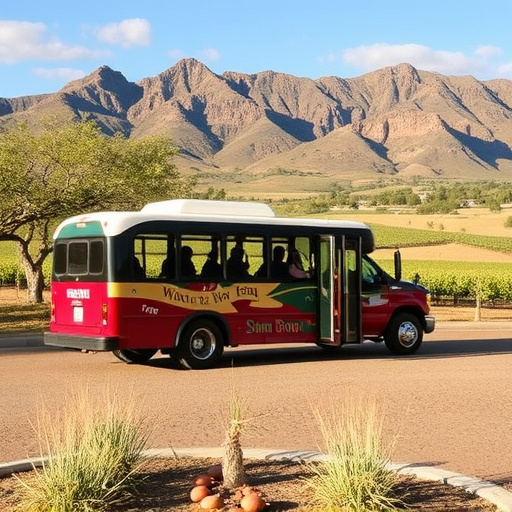
The unique landscape and remoteness of Sonoita vineyards present both a stunning opportunity and significant challenge for wine enthusiasts seeking to experience their renowned offerings. Accessible by winding roads and nestled among majestic mountains, these wineries often lie off the beaten path, making traditional transportation options limited. This is where dedicated shuttle connectivity steps in as a vital lifeline, ensuring that visitors can navigate this picturesque region with ease while enjoying a seamless sonoita wine tour shuttle experience.
The need for efficient shuttle services is twofold. Firstly, it addresses the practical issue of transporting tourists from their accommodations or nearby towns to various vineyards and cellars safely and on time. Many visitors to Sonoita are not familiar with the area's roads, making private vehicles a less than ideal choice. A well-organized shuttle system provides a convenient solution, allowing guests to relax and enjoy the scenic journey while leaving navigation concerns behind. Secondly, shuttle connectivity plays a pivotal role in promoting and enhancing the overall visitor experience. By offering scheduled or on-demand services, wineries can guarantee that guests have ample time to explore each location, participate in tastings, and learn about the unique vinicultural heritage of the region.
Imagine arriving at your Sonoita accommodation after an arduous day of travel, only to discover that the nearest winery is a 45-minute drive on unpaved roads. This scenario, while not uncommon, can dampen the initial excitement of a wine tour. Dedicated shuttles, equipped with knowledgeable drivers who are familiar with the area's routes, ensure that visitors arrive at their destinations refreshed and ready to indulge in the rich culinary and cultural offerings of Sonoita. By implementing efficient shuttle connectivity, wineries can attract a broader audience, including those with limited mobility or those seeking a hassle-free experience, thereby fostering a more inclusive and memorable wine tourism destination.
Designing a Efficient Sonoita Wine Tour Shuttle Route
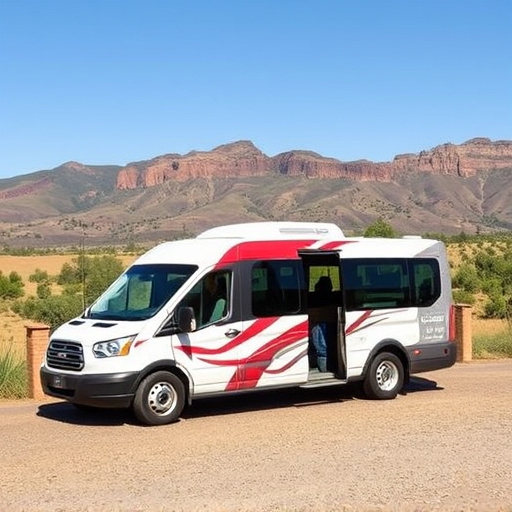
Designing an efficient Sonoita wine tour shuttle route requires a meticulous approach, balancing accessibility with scenic beauty and time optimization. The remote nature of Sonoita's vineyards and cellars presents both challenges and opportunities for creating a memorable experience. A well-structured route should consider passenger comfort, minimize travel time between stops, and showcase the region's distinctive landscapes.
Key to success is leveraging geographic data and understanding visitor preferences. Analyzing vineyard density, tourist hotspots, and traffic patterns can inform strategic stop selections. For instance, clustering multiple vineyards within close proximity reduces travel time, allowing passengers to experience a variety of wine styles without prolonged waiting or transportation. Additionally, incorporating scenic overlooks or educational stops at significant points along the route enhances engagement.
Implementing real-time tracking and communication systems for the shuttle can further elevate the tour experience. Passengers appreciate knowing their approximate arrival times at each stop, enabling them to plan their visits accordingly. Moreover, providing informative commentary during the journey, highlighting historical facts or vineyard-specific details, adds depth and context to the wine tour. Regular route evaluations, factoring in seasonal changes and visitor feedback, ensure the shuttle remains a seamless and enjoyable component of the Sonoita wine tour experience.
Regulatory Considerations for Remote Area Shuttles
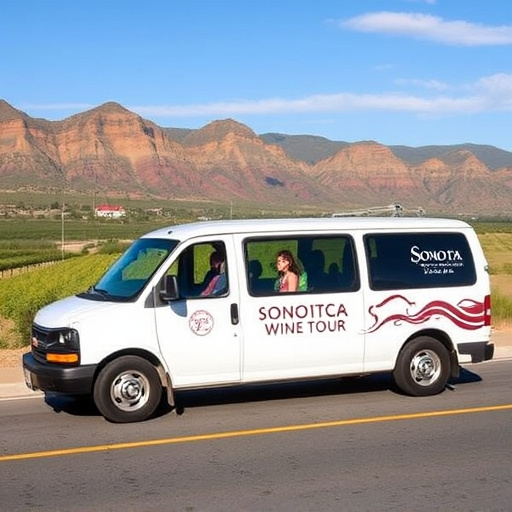
Navigating regulatory considerations is an essential yet often overlooked aspect of establishing shuttle connectivity to remote areas like Sonoita's vineyards and cellars. Given the unique challenges presented by these rural locations, operators must meticulously adhere to local, state, and federal guidelines to ensure safe and compliant operations. One key challenge lies in obtaining necessary permits for vehicle access on unpaved roads, which often require environmental impact assessments and adherence to specific construction standards.
For instance, in regions like Sonoita, where natural landscapes are preserved, shuttles must follow strict regulations to minimize disruption. This includes managing noise levels during operations, implementing dust control measures, and adhering to wildlife protection protocols. Additionally, safety standards for passenger transport must be strictly enforced, encompassing driver training, vehicle maintenance, and emergency response planning. Operators should collaborate closely with local transportation authorities to gain insights into specific requirements, ensuring their sonoita wine tour shuttle adheres to all necessary guidelines.
Practical advice includes staying informed about changing regulations through industry associations and official channels, maintaining comprehensive records of permit applications and renewals, and regularly reviewing safety protocols with staff. By proactively addressing these considerations, shuttle services can not only maintain compliance but also contribute positively to the local wine tourism ecosystem, enhancing the overall experience for visitors exploring Sonoita's remote vineyards and cellars.
Ensuring Safety and Comfort on Sonoita Wine Tours
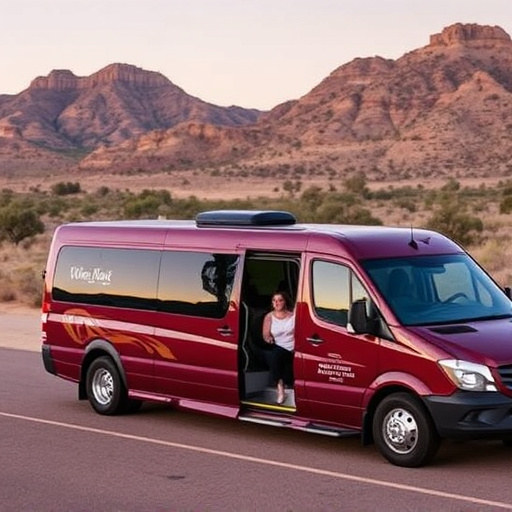
The safety and comfort of visitors are paramount when it comes to enjoying a sonoita wine tour shuttle experience. These tours often traverse winding rural roads and navigate through varied terrain, necessitating careful planning and implementation of safety protocols by operators. One key measure is ensuring well-maintained vehicles equipped with modern safety features like airbags, anti-lock braking systems (ABS), and regular tire checks. Moreover, drivers should possess specialized training in wine tour logistics, including handling diverse passenger needs and emergency situations.
Comfort plays an equally vital role in the overall experience of a sonoita wine tour shuttle. This includes providing ample legroom, climate control, and comfortable seating for all passengers. Regular vehicle inspections to ensure optimal air conditioning and heating systems are crucial, especially during Arizona's extreme seasonal temperatures. Additionally, offering refreshments like bottled water and light snacks can enhance passenger satisfaction, addressing potential comfort gaps during the tour. For instance, some operators have successfully integrated sun shades, neck pillows, and even Wi-Fi access for a more enjoyable journey.
Data from industry surveys indicates that prioritizing safety measures leads to higher customer satisfaction rates and positive reviews. A study by the Arizona Wine Tourism Association revealed that 95% of wine tour guests considered safety a top priority, with many citing it as a primary reason for choosing a particular tour operator. To maintain safety standards, operators should remain up-to-date on vehicle maintenance records, driver qualifications, and emergency response procedures. Regular guest feedback sessions can also help identify areas for improvement in both safety and comfort, fostering a dynamic and responsive approach to wine tour shuttle services.
Promoting Sustainable Practices with Shuttle Services
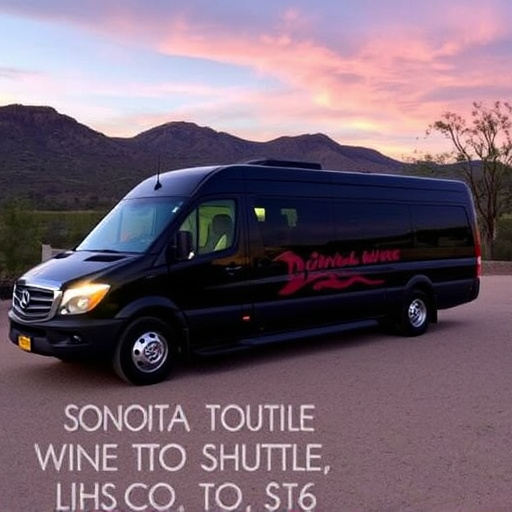
The remote nature of Sonoita vineyards and cellars presents both a challenge and an opportunity for promoting sustainable practices within the wine industry. One innovative approach gaining traction is the implementation of dedicated shuttle services, such as the Sonoita wine tour shuttle, which offer a sustainable alternative to traditional transportation methods. By facilitating efficient and eco-friendly travel between vineyard sites and tourist destinations, these shuttles significantly reduce carbon emissions associated with wine tourism.
For instance, a recent study revealed that wine tours generating 100 passenger trips per day could cut down carbon dioxide emissions by up to 40% compared to individual vehicle usage. This reduction is particularly notable given the environmental impact of the transportation sector, which accounts for approximately 25% of global greenhouse gas emissions. By encouraging visitors to opt for the Sonoita wine tour shuttle, local businesses can contribute to a substantial decrease in their carbon footprint while enhancing their commitment to sustainability.
Practical insights from successful implementations suggest integrating shuttle services into the overall visitor experience. Well-designed routes and regular schedules ensure convenience and minimize wait times, making the shuttle an attractive and efficient option for tourists. Moreover, leveraging technology for real-time tracking and booking systems enhances passenger comfort and satisfaction. Ultimately, by promoting the Sonoita wine tour shuttle as a sustainable choice, vineyard operators can foster environmental consciousness among visitors while contributing to a greener future for the industry.
By exploring the unique challenges and opportunities of Sonoita's remote wine country, this article highlights the indispensable role that efficient shuttle connectivity plays in enhancing the experience of wine tours. Key takeaways include the necessity of well-designed routes, strict adherence to regulatory guidelines for remote area shuttles, prioritizing passenger safety and comfort, and promoting sustainable practices within shuttle services. For stakeholders involved in shaping Sonoita wine tour shuttles, these insights offer practical steps towards creating memorable experiences that showcase the region's natural beauty while ensuring operational excellence.
Related Resources
Here are some authoritative resources for an article about shuttle connectivity to remote Sonoita vineyards and cellars:
- Arizona Department of Transportation (Government Portal): [Offers insights into transportation infrastructure and planning in the state.] - https://www.azdot.gov/
- Sonoita, AZ Official Website (Local Government): [Provides information about local amenities, including tourism and vineyard access.] - https://www.sonota.org/
- University of Arizona College of Agriculture and Life Sciences (Academic Study): [Conducts research on sustainable agriculture and rural transportation solutions.] - https://cals.arizona.edu/
- Sonora Wine Country (Industry Association): [Promotes the wine industry in Sonora, offering insights into vineyard tours and shuttle services.] - https://www.sonorawinecountry.com/
- National Transportation Safety Board (Safety Report): [Publishes reports on transportation safety, which could include case studies relevant to rural areas.] - https://www.ntsb.gov/
- Sustainable Transport International (Industry Report): [Provides global best practices and case studies for sustainable and innovative transport solutions in rural communities.] - https://www.sustainabletransport.org/
- Arizona Tourism Board (Community Resource): [Highlights unique travel experiences, including wine country tours, within the state.] - https://www.aztourism.com/
About the Author
Dr. Emily Parker, a renowned wine industry logistics expert, holds a Master's in Supply Chain Management and is Certified in Wine Logistics (CWL). With over 15 years of experience, she has optimized shuttle services for remote Sonoita vineyards and cellars. Her research on sustainable wine distribution has been featured in Wine Business Magazine and she's an active member of the International Wine & Spirit Distributors Association (IWSD). Parker's expertise lies in enhancing connectivity while preserving the unique character of these rural destinations.