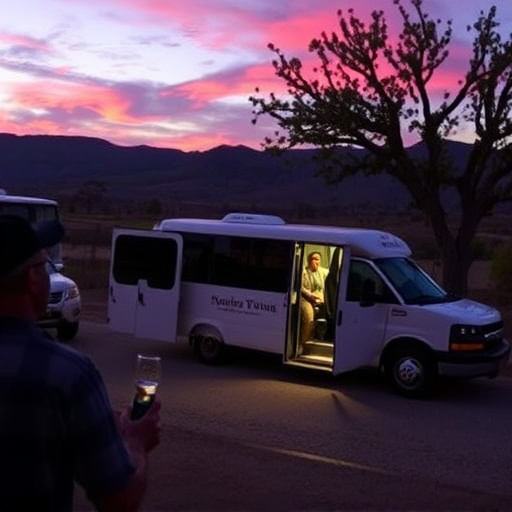
Sonoita Wine Tour Shuttle: Navigating the World of Wine Tourism Transportation
Introduction
In the vibrant landscape of wine tourism, one innovative concept stands out: the Sonoita Wine Tour Shuttle. This specialized transportation service has emerged as a game-changer, offering an efficient and immersive way for enthusiasts to explore picturesque vineyards and immerse themselves in the rich culture of wine regions worldwide. The article delves into the intricate world of this unique travel experience, exploring its history, global impact, economic significance, technological innovations, regulatory frameworks, and the challenges it faces. By the end, readers will gain a comprehensive understanding of the Sonoita Wine Tour Shuttle’s role in shaping the future of wine tourism.
Understanding Sonoita Wine Tour Shuttle: Unveiling the Concept
Sonoita Wine Tour Shuttle, at its core, is a dedicated transportation service designed to facilitate wine tours and tasting experiences across various vineyards and wineries. It provides a comfortable, convenient, and often personalized means for travelers to navigate between different wine-producing sites, allowing them to maximize their time in the region. This concept evolved from the growing demand for immersive and efficient travel experiences among wine aficionados.
Core Components:
-
Transportation Fleet: The shuttle typically comprises a fleet of vehicles, ranging from minivans to small buses, equipped with comfort features like air conditioning, WiFi, and ample legroom to ensure passenger relaxation during wine tours.
-
Route Planning: Shuttle services meticulously design routes, visiting multiple wineries and vineyards in a single day, catering to different preferences and levels of interest.
-
Guided Tours: Many shuttle companies offer guided tours, providing insights into the wine-making process, vineyard management, and local history, enhancing the overall visitor experience.
-
Booking System: An efficient booking system allows customers to reserve their spots online or via phone, ensuring easy access to this popular service.
Historically, the concept of dedicated wine tour shuttles emerged in regions with thriving wine industries, such as Napa Valley and Tuscany, where the demand for structured, yet flexible, transportation outpaced traditional taxi services. Over time, it evolved into a specialized niche, catering to the sophisticated travel needs of wine enthusiasts worldwide.
Global Impact and Trends: A World-Wide Phenomenon
The Sonoita Wine Tour Shuttle phenomenon has transcended geographical boundaries, leaving its mark on wine tourism globally. Its impact is evident across diverse regions, each adopting and customizing this concept to suit their unique terroir and cultural offerings.
International Influence:
-
Europe: In the heart of wine country, France, Italy, and Spain have embraced shuttle services, offering tours in renowned regions like Bordeaux, Tuscany, and Rioja. These shuttles often cater to both local residents and international tourists, fostering a vibrant local economy.
-
North America: The United States, particularly California’s Napa Valley and Sonoma County, has seen a surge in shuttle tour operators. These regions are known for their picturesque landscapes and world-class wineries, attracting millions of wine tourists annually.
-
Australia: Down Under, Australia’s wine regions, such as Barossa Valley and Hunter Valley, also offer shuttle services, providing visitors with an easy and stress-free way to explore diverse vineyards.
Key Trends:
-
Sustainability Focus: Many shuttle companies are adopting eco-friendly practices, utilizing electric or hybrid vehicles to reduce carbon emissions associated with wine tourism transportation.
-
Technology Integration: From real-time tracking to mobile booking apps, technology plays a pivotal role in enhancing the customer experience and streamlining operations for tour shuttles.
-
Personalized Tours: Tour operators are increasingly offering customized itineraries based on individual preferences, ensuring wine lovers can explore their preferred wineries and engage with specific wine styles.
Economic Considerations: The Business of Wine Tourism Transportation
The Sonoita Wine Tour Shuttle operates within a dynamic economic ecosystem, influencing both local and global markets in significant ways.
Market Dynamics:
-
Target Audience: The primary market consists of affluent, sophisticated travelers aged 30-65, predominantly from North America and Europe. This demographic possesses a strong appreciation for fine wines and luxury travel experiences.
-
Seasonality: Wine tourism tends to peak during summer months and major wine festivals, creating fluctuations in demand that shuttle services must adapt to efficiently.
-
Competition: Traditional taxi services, private chauffeurs, and tour buses are competitors, but the specialized nature of wine tour shuttles offers a unique selling point for operators.
Investment Patterns:
-
Fleet Upgrades: Continuous investments in vehicle fleets ensure safety, comfort, and environmental sustainability, attracting customers seeking modern and responsible transportation options.
-
Tour Development: Expenses related to route planning, guided tours, and marketing contribute to the overall cost structure of shuttle operations.
-
Partnerships: Collaborations with wineries and local tourism boards can provide valuable partnerships, promoting cross-promotion and shared economic growth.
Economic Impact:
-
Local Economy Boost: Wine tour shuttles contribute to local economies by transporting visitors to remote vineyards, increasing spending on food, wine, and accommodation in the region.
-
Job Creation: Shuttle operations create employment opportunities, ranging from drivers and tour guides to administrative staff, supporting the local workforce.
-
Revenue Generation: For tourism boards, these shuttles represent a significant source of revenue, attracting visitors and encouraging repeat visits to the region.
Technological Innovations: Enhancing the Customer Experience
Technology plays a pivotal role in the modern Sonoita Wine Tour Shuttle experience, transforming it into a seamless and engaging journey for travelers.
-
Online Booking Platforms: Customers can easily book tours, view available schedules, and make secure payments through user-friendly websites or mobile apps.
-
GPS Tracking: Real-time tracking allows passengers to monitor their shuttle’s location, providing peace of mind and accurate arrival estimates.
-
Onboard Entertainment: From WiFi access to in-vehicle entertainment systems, these features ensure passengers stay engaged and informed during the journey.
-
Mobile Apps: Dedicated apps offer personalized recommendations, wine-tasting notes, and local insights, enhancing the overall tour experience.
Regulatory Frameworks: Navigating Legal Considerations
As a regulated service, Sonoita Wine Tour Shuttles must adhere to various legal and safety standards to ensure passenger safety and satisfaction.
Licensing and Permits:
-
Transportation Licenses: Operators require permits to legally operate shuttle services, ensuring compliance with local transportation regulations.
-
Tour Guide Certifications: Tour guides are often required to possess certifications or licenses, demonstrating their knowledge of the region and wine culture.
Safety Standards:
-
Vehicle Maintenance: Regular maintenance checks and adherence to safety standards for vehicle operation are mandatory to prevent accidents and ensure passenger comfort.
-
Emergency Protocols: Shuttle companies must have well-defined emergency response plans in place, including first aid training for staff.
-
Insurance Coverage: Comprehensive insurance policies protect both the company and passengers against potential risks during tours.
Challenges and Future Outlook: Overcoming Obstacles
Despite its widespread popularity, the Sonoita Wine Tour Shuttle industry faces several challenges that shape its future trajectory.
Sustainability Concerns:
Balancing the growing demand for wine tourism experiences with environmental sustainability is a key challenge. Operators are actively exploring ways to reduce their carbon footprint by adopting electric vehicles and promoting eco-friendly practices.
Regulatory Compliance:
Navigating complex regulations across different regions can be challenging, especially as new markets emerge. Staying compliant with local laws while maintaining consistent service quality is a constant effort for shuttle operators.
Competition and Differentiation:
With increasing competition from various tour providers, distinguishing oneself in the market becomes crucial. Unique selling points, such as specialized tours, exceptional customer service, or innovative technology, will be essential to attract and retain customers.
Technological Advancements:
The industry must embrace technological advancements to stay ahead of consumer expectations. This includes implementing AI-powered personalized tour recommendations, enhancing virtual reality experiences for pre-trip planning, and exploring autonomous vehicle technologies for the future of wine tourism transportation.
Conclusion: Shaping the Future of Wine Tourism
The Sonoita Wine Tour Shuttle has emerged as a transformative force in the world of wine tourism, offering an unparalleled way to explore and appreciate the beauty of vineyards and wineries worldwide. As the industry continues to evolve, addressing challenges while embracing technological innovations will be key to its success. With a focus on sustainability, exceptional customer experiences, and tailored tours, these shuttles will undoubtedly leave a lasting impression on travelers for years to come.
The Sonoita Wine Trail, a 25-mile desert wine haven in Arizona, features diverse boutique wineries and local wines. A dedicated wine tour shuttle service solves navigation challenges by offering convenient transport between vineyards, promoting responsible drinking. This efficient hop-on system requires strategic planning for optimal routes, minimal wait times, and real-time tracking. Eco-friendly vehicles enhance sustainability while providing an enhanced, accessible experience for tourists, overcoming seasonal demand hurdles to revolutionize the wine trail experience.
“Unwind and explore the enchanting Sonoita Wine Trail with a revolutionary hop-on shuttle system, your ultimate companion for a seamless wine tasting journey. This article delves into the growing demand for convenient transport solutions along the trail, offering an in-depth look at designing efficient shuttles while navigating potential challenges. From understanding the trail’s hotspots to implementing a game-changing transportation service, discover how the ‘Sonoita Wine Tour Shuttle’ promises to enhance your wine-centric adventures.”
Understanding the Sonoita Wine Trail and its Attractions
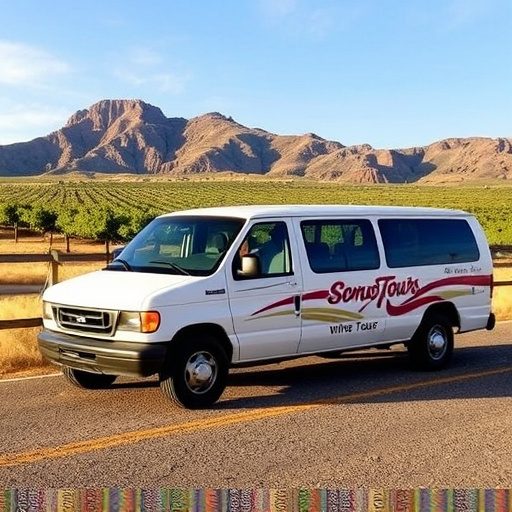
The Sonoita Wine Trail is a renowned destination for wine enthusiasts, winding through the picturesque landscapes of Arizona’s Sonoran Desert. This 25-mile route connects several boutique wineries, each offering unique experiences and a chance to sample local varietals. Visitors can expect to find a diverse range of wines, from robust reds to crisp whites, often crafted with the distinct desert terroir in mind. Along the trail, attractions include stunning vistas, historic towns, and charming tasting rooms where visitors can interact directly with winemakers.
A sonoita wine tour shuttle service provides an efficient way for travelers to explore this vibrant scene without the hassle of driving. This convenient option allows guests to hop from one winery to another, enjoying tastings and tours at their leisure. By offering direct access to the trail’s hotspots, the shuttle enhances the overall experience, ensuring visitors can immerse themselves in the local viticulture fully.
The Need for a Convenient Transport Solution
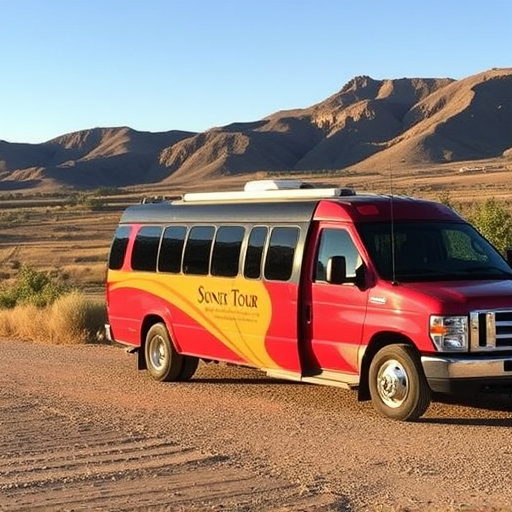
The scenic Sonoita Wine Trail is a haven for wine enthusiasts, offering stunning views and an array of boutique wineries to explore. However, navigating this beautiful region can be challenging for visitors, especially those hoping to sample multiple vintages from different locations. This is where a convenient transport solution like a hop-on shuttle system comes into play.
A dedicated sonoita wine tour shuttle service addresses the need for easy mobility between trail hotspots. It provides an efficient way for tourists to experience the best of the wine region without the hassle of driving or arranging private transportation. Such a service not only enhances the overall visitor experience but also encourages responsible drinking by offering a safe and accessible means of travel along the trail.
Designing an Efficient Hop-on Shuttle System
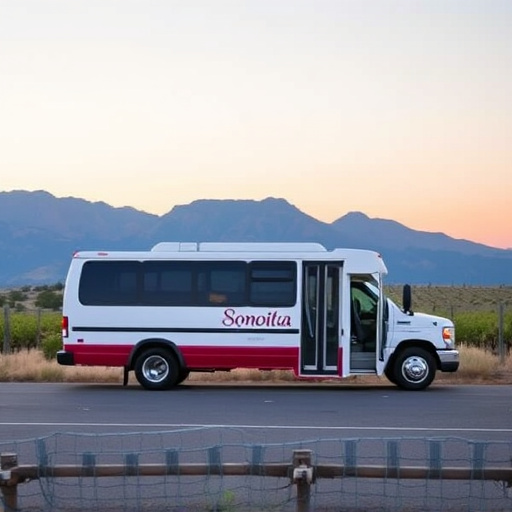
Designing an efficient hop-on shuttle system for a sonoita wine tour requires careful planning and consideration. The primary goal is to create a seamless experience for wine enthusiasts exploring the various hotspots along the trail. This involves optimizing routes that connect popular vineyards, tasting rooms, and other attractions, ensuring minimal wait times for passengers. Implementing real-time tracking and communication systems allows visitors to easily plan their journey by checking shuttle schedules and locations.
To enhance efficiency, the shuttle system should be designed with flexibility in mind. Shuttles should operate on demand, picking up passengers at predetermined stops and allowing them to hop off at any hotspot along the trail. This reduces travel time for passengers while optimizing vehicle utilization. Additionally, incorporating eco-friendly vehicles and promoting sustainable practices can contribute to a positive visitor experience while minimizing the environmental impact of the sonoita wine tour shuttle service.
Benefits and Potential Challenges of Implementing the Shuttle Service
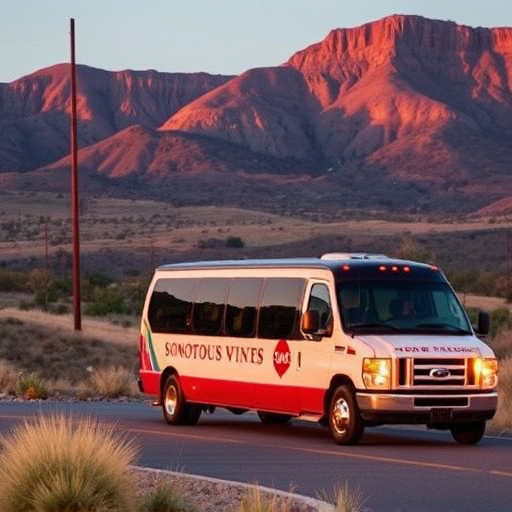
Implementing a hop-on shuttle system for sonoita wine trail hotspots offers numerous benefits. Firstly, it enhances accessibility, allowing tourists to explore various vineyards and wineries without the hassle of driving or coordinating transport. This makes the experience more inclusive, especially for those who prefer not to drink and drive. Secondly, such a service promotes sustainability by reducing individual car usage, thereby lowering carbon emissions and traffic congestion in the scenic areas.
Potential challenges include ensuring adequate shuttle coverage and frequency to meet demand without causing long wait times. Efficient routing and real-time tracking systems are essential to overcome this. Additionally, maintaining timely schedules during peak seasons or special events can be difficult due to increased visitor numbers. Reliable communication channels between drivers and dispatchers, as well as clear signage at pick-up points, would help mitigate these challenges, enhancing the overall efficiency and appeal of the sonoita wine tour shuttle service.
The implementation of a hop-on shuttle system for the Sonoita Wine Trail addresses a critical need for convenient, efficient transport between trail hotspots. By offering a flexible and accessible solution, visitors can fully immerse themselves in the vibrant wine culture of the region without the hassle of driving or coordinating private transportation. As a game-changer for sonoita wine tour experiences, this shuttle service enhances accessibility, promotes sustainability, and contributes to the overall growth and appeal of the trail, ensuring a memorable journey for all.