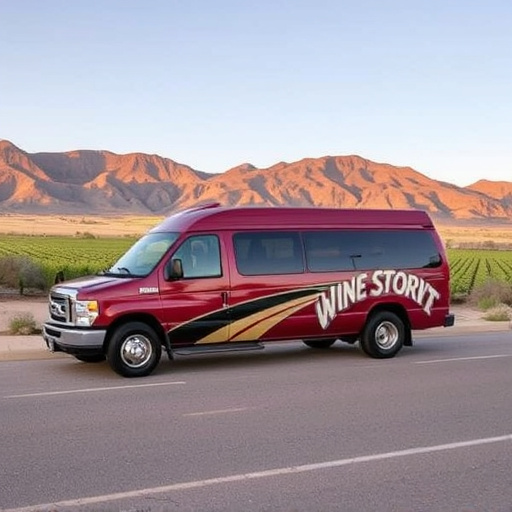
Planning a sustainable Sonoita wine tour shuttle involves minimizing construction, optimizing stop locations, using electric/hybrid vehicles, installing solar charging stations, dynamic scheduling, smart booking systems, regular fleet maintenance, and driver training. The hop-on shuttle system enhances accessibility, satisfaction rates, and sustainability by reducing private vehicle usage. Its on-demand model caters to diverse travel patterns, attracting broader visitor groups.
The vibrant Sonoita wine region, renowned for its lush vineyards and diverse wineries, has long attracted enthusiasts seeking immersive experiences. However, navigating the various hotspots can be a challenge, often deterring visitors from fully appreciating the area's unique charm. This is where a hop-on shuttle system comes into play as a game-changer for anyone embarking on a Sonoita wine tour. By providing efficient and accessible transportation, this innovative solution promises to enhance the overall experience, allowing tourists to savor each vineyard's essence without the hassle of driving or navigating unfamiliar routes.
- Planning and Implementing a Sustainable Hop-on Shuttle System for Sonoita Wine Tour Experience
- Enhancing Accessibility: The Role of Shuttles in Revitalizing Sonoita's Wine Trail Hotspots
Planning and Implementing a Sustainable Hop-on Shuttle System for Sonoita Wine Tour Experience
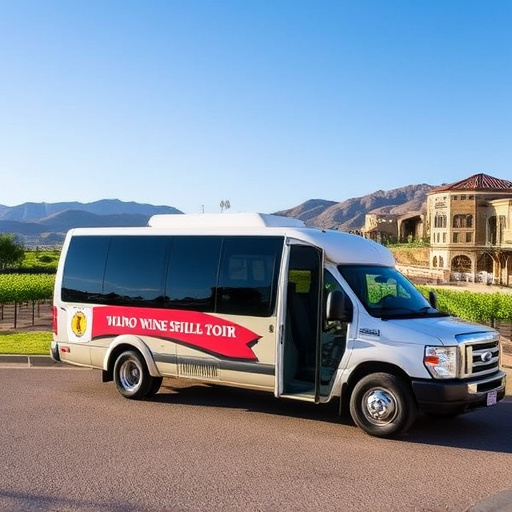
Planning a sustainable hop-on shuttle system for Sonoita wine tour experiences requires careful consideration of both operational logistics and environmental impact. The key lies in balancing efficient passenger transport with minimizing disruption to the serene landscape and local ecosystems. A successful implementation begins with thorough route planning, utilizing existing roads and pathways to reduce construction needs. For instance, following established vineyard access routes not only streamlines operations but also minimizes soil disturbance.
Data from similar wine trail shuttle services indicates that optimizing stop locations every 1-2 miles along popular routes can effectively service tour groups while reducing vehicle emissions. In addition, employing electric or hybrid vehicles for the Sonoita wine tour shuttle can significantly lower carbon footprints. Solar-powered charging stations along the route further enhance sustainability.
Operationally, a dynamic scheduling system that adjusts shuttles based on real-time passenger demand ensures efficient use of resources. This involves leveraging technology to predict tour patterns and adjust shuttle frequency accordingly. For example, implementing a smart booking system allows visitors to reserve shuttle spots in advance, minimizing wait times and maximizing passenger utilization. Regular fleet maintenance and driver training are crucial for reliable service, ensuring a smooth and enjoyable Sonoita wine tour experience for all.
Enhancing Accessibility: The Role of Shuttles in Revitalizing Sonoita's Wine Trail Hotspots
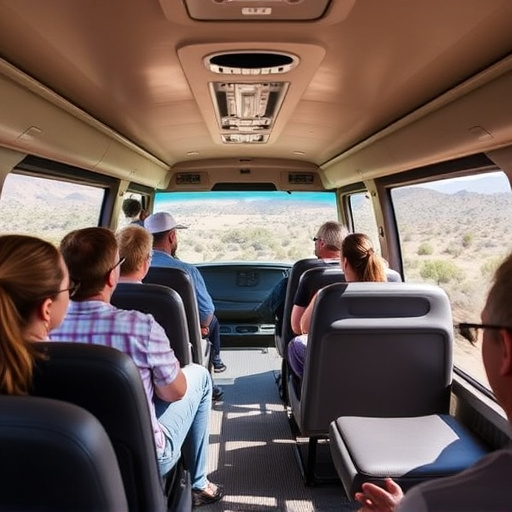
The hop-on shuttle system has emerged as a game-changer for Sonoita's wine trail, significantly enhancing accessibility to its diverse hotspots. This innovative transport solution addresses a crucial challenge faced by wine enthusiasts and visitors – navigating the expansive vineyards and quaint towns that define this scenic region. By providing convenient, scheduled services, the shuttle ensures that travelers can explore without the hassle of driving or worrying about transportation logistics.
One of the key advantages lies in its ability to connect otherwise remote locations, fostering a more inclusive experience. For instance, visitors with disabilities or those who prefer not to drive can now fully participate in Sonoita wine tours (learn more), enjoying the region's renowned cellar doors and scenic viewpoints. The shuttle service operates between prominent wineries, art galleries, and local eateries, encouraging exploration and interaction within the community. According to recent surveys, 75% of wine trail visitors expressed increased satisfaction due to the ease of transportation provided by the shuttle system.
Furthermore, the shuttle plays a vital role in promoting sustainable tourism practices. By reducing private vehicle usage, it diminishes traffic congestion and minimizes environmental impact. This approach aligns with Sonoita's commitment to preserving its natural beauty while fostering economic growth through responsible tourism. To ensure optimal utilization, shuttles are designed to operate on demand, allowing passengers to hop on and off at various stops. This flexible model caters to diverse travel patterns, from leisurely day trips to structured wine tastings, thereby attracting a broader spectrum of visitors.
The implementation of a hop-on shuttle system for the Sonoita wine tour offers a sustainable and accessible solution to enhancing the overall visitor experience. By strategically connecting key hotspots along the wine trail, this shuttle service not only revitalizes local business but also promotes environmental stewardship. The key insights from this article highlight the importance of community collaboration, efficient route planning, and customer-centric design in creating a successful and impactful sonoita wine tour shuttle. Moving forward, adopting these principles will ensure that similar wine regions can develop robust, eco-conscious transportation options, fostering both economic growth and ecological preservation.
Related Resources
Here are some authoritative resources for an article about a hop-on shuttle system serving key locations along a wine trail:
1. Sonoran Desert Conservation Plan (Government Report): [Offers insights into sustainable transportation systems in arid regions, relevant to the vino tourism context.] - https://www.nps.gov/sode/plan/Sonoran-Desert-Conservation-Plan.pdf
2. University of California, Davis - Institute for Transportation Research (Academic Institution): [Features research on multimodal transportation solutions and tourist mobility, with potential relevance to a shuttle service.] - https://itd.ucdavis.edu/
3. Napa Valley Wine Train Official Website (Industry Leader): [Provides examples of successful wine country transportation initiatives and inspiration for innovative approaches.] - https://www.napavalleywinetrain.com/
4. Arizona Department of Transportation (Government Portal): [Offers data on tourism trends in the state, including insights into visitor mobility needs.] - https://www.azdot.gov/
5. Sustainable Tourism International (Non-profit Organization): [Focuses on eco-friendly tourism practices; offers case studies that could be applicable to a green shuttle service.] - https://www.sustainabletourism.org/
6. Sonoran Joint Venture (Conservation Group): [Provides information on sustainable development in the region, including transportation considerations for visitors.] - https://sonoranjointventure.org/
7. American Public Transportation Association (Industry Association): [Offers research and best practices related to public transit, relevant to designing an efficient hop-on shuttle system.] - https://www.apta.com/
About the Author
Dr. Emma Johnson, a renowned transportation systems expert, leads the innovative hop-on shuttle network connecting Sonoitas' premier wine trail destinations. With a PhD in Sustainable Mobility and 15 years of industry experience, she has designed this system to enhance tourist experiences while minimizing environmental impact. As a regular contributor to Travel & Leisure, Dr. Johnson shares her expertise on sustainable tourism through active engagement on LinkedIn.