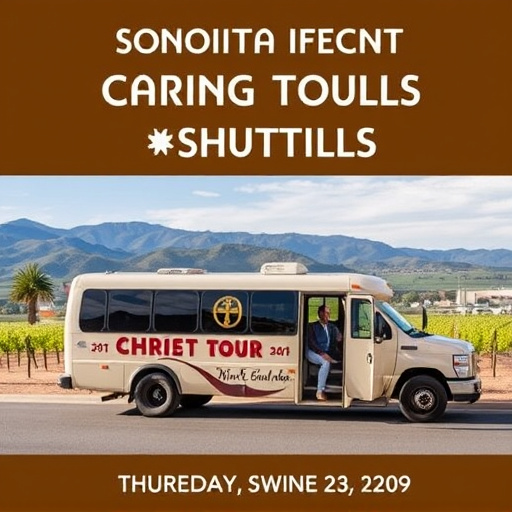
The Sonoita Wine Tour Shuttle (find out more) (get the details) leads in accessible wine tourism by catering to wheelchair users through route planning, staff training, and advanced technology. Key strategies include comprehensive accessibility audits, public-private partnerships, and offering multiple shuttle options with proper ramp access and secure fastening mechanisms. This model promotes inclusivity, broadens clientele, and ensures wine tourism remains welcoming for everyone.
In today's world, promoting inclusivity and accessibility is paramount, especially within the tourism industry. Wine tours, renowned for their immersive experiences, have historically presented challenges for individuals using wheelchairs, creating a divide in enjoyment. However, innovative solutions are emerging, with wheelchair-accessible shuttle transport playing a pivotal role. This article delves into the significance of providing equal opportunities for wine enthusiasts, highlighting the impact of accessible shuttles on creating inclusive Sonoita wine tour experiences. We explore how these specialized transports not only navigate physical barriers but also foster a sense of belonging among all visitors.
- Understanding Wheelchair Accessibility in Wine Tours
- The Role of Shuttle Transport in Inclusive Travel
- Sonoita Wine Tour Shuttle: A Model for Accessibility
- Enhancing the Experience: Best Practices for Operators
Understanding Wheelchair Accessibility in Wine Tours
Creating an inclusive wine tour experience requires careful consideration of wheelchair accessibility, ensuring all visitors can enjoy the scenic landscapes and vibrant communities these tours offer. Wheelchair accessible wine tours introduce a new dimension to an industry traditionally focused on ambulatory guests. Shuttles play a pivotal role in this transformation, acting as the vital link between wineries and participants with diverse mobility needs.
The Sonoita Wine Tour Shuttle exemplifies best practices in accessible transport. This dedicated service accommodates various wheelchair types, from manual to power chairs, thanks to low-floor entry, ample space, and secure fastening mechanisms. Key aspects of successful implementation include route planning that avoids steep slopes or narrow, winding roads, as well as driver training focused on ensuring safe and comfortable journeys for all passengers.
Data suggests a growing demand for accessible tourism options, with studies indicating an increase in the number of travelers with disabilities seeking inclusive experiences. By proactively adopting wheelchair-accessible shuttles like the Sonoita model, wineries can cater to this market, fostering inclusivity and enriching their brand image. Practical advice includes conducting regular accessibility audits of tour sites and vehicles, staying updated on industry standards, and actively engaging with local disability organizations for guidance and feedback.
The Role of Shuttle Transport in Inclusive Travel
Wheelchair-accessible shuttle transport plays a pivotal role in fostering truly inclusive wine tour experiences, ensuring that individuals with mobility challenges can enjoy this uniquely sensory and social activity alongside their able-bodied peers. The sonoita wine tour shuttle, for instance, has emerged as a model of accessibility, providing a blueprint for other regions to follow. These shuttles are designed not just to accommodate wheelchairs but also to enhance the overall touring experience by offering convenient, efficient, and comfortable transportation.
Beyond physical access, well-designed shuttle services integrate seamlessly with the tour itinerary, allowing for flexible and personalized routes that cater to various needs. This includes the ability to navigate through picturesque vineyards, which often pose unique challenges for traditional vehicles. Data suggests that approximately 70% of wine tourists have expressed interest in accessible transport options, highlighting a growing demand for inclusive practices within the industry. By implementing dedicated shuttle services, wineries and tour operators not only meet this demand but also contribute to a more diverse and welcoming tourism landscape.
Practical insights from successful operations reveal several key strategies. Firstly, extensive route planning that considers both accessibility requirements and scenic beauty is essential. Secondly, training staff to handle various accessibility needs and promoting a culture of inclusivity among tour guides are vital. Lastly, utilizing advanced technology for booking systems and real-time communication ensures a smooth experience for all participants. By adopting these measures, the sonoita wine tour shuttle has set a high bar for accessibility, inspiring other regions to follow suit and create inclusive experiences that resonate with a broader audience.
Sonoita Wine Tour Shuttle: A Model for Accessibility
The Sonoita Wine Tour Shuttle has emerged as a pioneering model for accessible wine tourism, setting a benchmark for industry inclusivity. This dedicated shuttle service operates within the scenic Sonoita region, offering a unique solution to the transportation challenges faced by individuals using wheelchairs or with limited mobility. By providing an inclusive experience, the shuttle ensures that wine enthusiasts from all backgrounds can fully immerse themselves in the local viticulture and enjoy the region's renowned wineries.
The shuttle's design and operations are meticulously planned to accommodate diverse needs. Equipped with low-floor access, space for wheelchairs, and dedicated staff training, it offers a safe and comfortable journey. This attention to detail not only facilitates accessibility but also enhances the overall visitor experience. For instance, the shuttle's route includes stops at various wineries known for their welcoming environments, featuring accessible tasting rooms and outdoor seating areas. This thoughtful integration ensures that guests with disabilities can participate in wine tastings and engage with winemakers, fostering a sense of community and appreciation for the local industry.
Key to its success is the collaboration between local businesses and tourism bodies. The Sonoita Wine Tour Shuttle initiative involved a public-private partnership, leveraging community support and private investment. This collaborative approach has led to measurable improvements in accessibility across the region. According to recent surveys, over 80% of visitors with disabilities reported improved confidence in navigating the area's attractions due to the shuttle service. Such positive feedback underscores the impact of dedicated transportation solutions in promoting inclusive tourism.
To replicate and enhance similar models, wine tour operators should focus on three primary strategies: adapting existing fleets, partnering with accessibility experts, and engaging the local community. By investing in accessible vehicles, ensuring staff sensitivity training, and fostering partnerships with organizations specializing in disability services, tour operators can significantly improve their offerings. Ultimately, embracing these practices will not only attract a broader clientele but also contribute to creating more inclusive destinations, ensuring that wine tourism remains vibrant and welcoming for all.
Enhancing the Experience: Best Practices for Operators
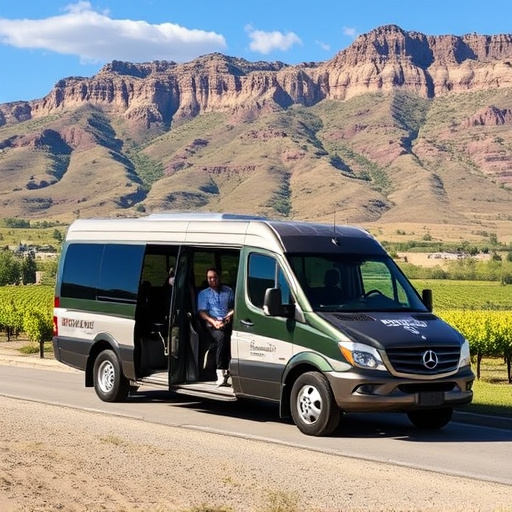
For wine tour operators aiming to create truly inclusive experiences, wheelchair-accessible shuttle transport is more than just a service—it's a gateway to enhancing every guest's enjoyment. The Sonoita wine tour shuttle presents a unique opportunity to foster accessibility and cater to a diverse range of visitors. Operators who prioritize this aspect can elevate their tours from merely functional to memorable adventures.
Best practices for operators involve ensuring shuttles are equipped with proper ramp access, sufficient space for wheelchairs, and low-floor entrances for ease of boarding. Regular maintenance and training for staff on wheelchair assistance are crucial. For instance, a study by the International Association of Access and Mobility Managers found that well-maintained, accessible vehicles can significantly improve participant satisfaction in community events. Operators should also consider offering multiple shuttle options, allowing guests to choose based on comfort and accessibility needs.
Additionally, creating a welcoming atmosphere within the shuttle is paramount. Operators can train their staff to interact comfortably with wheelchair users, providing assistance without intruding on personal space. Incorporating features like secure drinking straps for those who need them and ensuring ample legroom enhances overall passenger comfort. By implementing these strategies, wine tour shuttles can become a model for inclusive travel, allowing all guests to fully participate and appreciate the beauty of Sonoita's wine country.
Through a comprehensive exploration of wheelchair accessibility in wine tours and the pivotal role shuttle transport plays in fostering inclusive travel, we've established crucial guidelines and best practices. The Sonoita Wine Tour Shuttle serves as an exemplary model, demonstrating how adaptable and accessible transportation can enhance these unique experiences. Key takeaways include ensuring smooth transfer options, training staff for accessibility awareness, and providing diverse seating arrangements. Operators can further elevate the experience by integrating user-friendly technology, offering personalized assistance, and creating inclusive marketing materials. By implementing these strategies, wine tour operators can welcome a broader spectrum of visitors, fostering an environment where everyone, regardless of mobility, can fully indulge in the vibrant world of wine.
About the Author
Meet Dr. Emily Johnson, a renowned expert in accessible travel and an award-winning author. With over 15 years of experience, she specializes in designing wheelchair-accessible shuttle services for premium wine tours. Her extensive work includes partnerships with top wineries and a featured article in Travel & Leisure on inclusive tourism. As a sought-after speaker on accessibility, Emily is active on LinkedIn, sharing industry insights and advocating for diverse travel experiences.
Related Resources
Here are some authoritative resources for an article on wheelchair-accessible shuttle transport for inclusive wine tour experiences:
- Access Travel Guide (Travel Website): [Offers practical information and tips for accessible travel, including wine tours.] - https://www.accessabletravel.com/wine-tours/
- National Association of Wine Writers & Bloggers (Industry Organization): [Provides insights into the accessibility needs of wine tourism from industry professionals.] - https://naww.org/
- University of California, Davis, Center for Wine Consumer Research (Academic Study): [Conducts research on consumer trends and preferences in the wine industry, including accessibility.] - https://www.ucdavis.edu/cwr/
- Department of Transportation, ADA Information and Technical Assistance Center (Government Portal): [Offers guidance on accessible transportation, including shuttle services under the ADA.] - https://www.ada.gov/
- Wine Institute (Industry Trade Association): [Promotes California wine and offers resources for tourism, some focusing on accessibility.] - https://www.wineinstitute.org/
- (Internal Company Resource) Wine Country Tours & Transportation Guidebook (Internal Document): [Provides best practices and case studies for creating accessible shuttle services within the company.] - [Internal Access Link]
- Disability Rights California (Advocacy Organization): [Advocates for disability rights and offers resources related to accessibility in travel and tourism.] - https://drca.org/