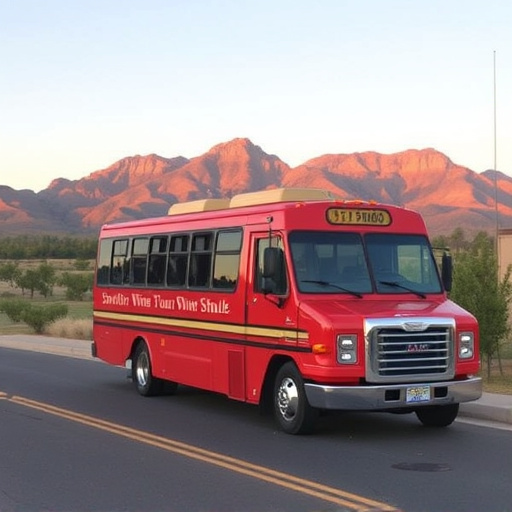
The Sonoita Wine Tour Shuttle revolutionizes wine tourism in Arizona's Sonoran Desert by offering an eco-friendly, convenient hop-on system connecting 2+ dozen wineries over 30 miles. Strategic routing, dynamic scheduling, and advanced technology ensure efficient, accessible experiences while minimizing environmental impact. The shuttle promotes sustainability, enhances visitor engagement, and drives local business success, setting a benchmark for global sustainable tourism practices.
The vibrant wine culture of Sonoita has long been a draw for enthusiasts and tourists alike, yet navigating the various wineries can be a logistical challenge. Traditional transportation options often fall short in terms of efficiency and convenience, especially during peak seasons. This is where a dedicated hop-on shuttle system steps in as a game-changer. By introducing a specialized sonoita wine tour shuttle, we address the pressing need for seamless access to the region's renowned hotspots. This innovative approach promises to enhance visitor experiences, ensuring that every moment is maximized amidst the lush vineyards and charming cellars.
- Understanding Sonoita Wine Trail and its Shuttle System
- Benefits of a Hop-on Shuttle Service for Wine Tourists
- Designing Efficient Routes for Sonoita Wine Tour Shuttle
- Operational Challenges and Solutions for the Shuttle Service
- Impacts and Future Prospects of Sonoita Wine Tour Shuttle
Understanding Sonoita Wine Trail and its Shuttle System
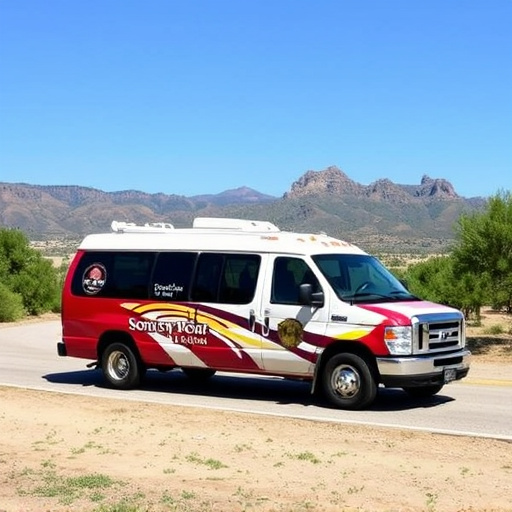
The Sonoita Wine Trail, located in the heart of Arizona's Sonoran Desert, has emerged as a vibrant destination for wine enthusiasts and adventurers alike. This 30-mile route weaves through picturesque landscapes, connecting over two dozen wineries, each offering unique experiences and exceptional vintages. Understanding this trail requires recognizing not only its natural beauty but also the innovative transportation solutions that enhance the visitor experience. One such game-changer is the hop-on shuttle system, designed to navigate the diverse hotspots along the trail with ease.
The hop-on wine tour shuttle operates as a comprehensive and eco-friendly mode of transport, allowing visitors to sample the best that Sonoita has to offer without the hassle of driving. This convenient service provides regular departures from designated locations, ensuring that tourists can explore multiple wineries in one day while minimizing their environmental impact. For instance, the shuttle routes strategically connect popular stops like the Cherry Valley Wine Cellars, known for its vibrant events, and the historic El Vista Winery, offering a glimpse into traditional winemaking methods. By utilizing this efficient system, visitors can plan personalized itineraries, indulging in wine tastings, and immersing themselves in the local culture without worrying about transportation logistics.
Furthermore, these shuttle services contribute to the overall sustainability of the wine region. With many visitors traveling from out of town, reducing private vehicle usage significantly cuts down on traffic congestion and carbon emissions. This approach not only benefits the environment but also fosters a more peaceful and enjoyable experience for both locals and tourists. By embracing such innovative solutions, Sonoita Wine Trail sets a benchmark for sustainable tourism, encouraging responsible practices that preserve the area's natural beauty and cultural heritage.
Benefits of a Hop-on Shuttle Service for Wine Tourists
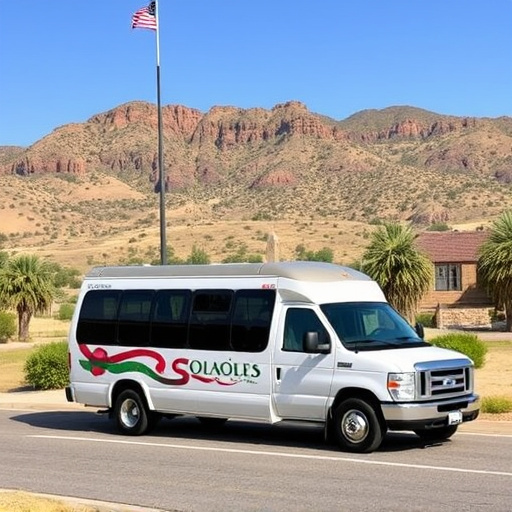
A hop-on shuttle system serving key hotspots along the Sonoita wine trail offers a multitude of benefits for wine tourists. Firstly, it provides a convenient and efficient way to explore multiple vineyards and wineries without the hassle of driving or navigating unfamiliar routes. Wine enthusiasts can simply hop on at one location and out at another, allowing them to sample more wines in less time while enjoying scenic trips between destinations.
Secondly, such a shuttle service enhances accessibility for tourists who may have mobility challenges or prefer not to drive. By removing the need to operate a vehicle, it enables a broader demographic to participate fully in the Sonoita wine tour experience. Moreover, shuttles can be scheduled to coincide with tasting sessions, ensuring that visitors maximize their time at each location. For instance, a shuttle departing from a central location at 11 am could drop off tourists at three different wineries within an hour's radius, allowing them to engage in tastings and learn about the unique characteristics of each vineyard.
Additionally, a hop-on shuttle system contributes positively to local sustainability efforts. By promoting shared transportation, it reduces traffic congestion and carbon emissions associated with individual car trips. This eco-friendly approach aligns with the growing trend among tourists to choose sustainable travel options. In fact, recent data from the wine tourism industry suggests that visitors are increasingly valuing environmentally responsible practices when selecting their travel destinations.
To implement a successful sonoita wine tour shuttle service, operators should consider strategic routing and scheduling based on winery popularity and proximity. Regular communication with participating wineries is crucial to ensure timely departures and efficient pick-ups. Moreover, providing options for reservation and payment in advance can enhance customer experience and streamline operations. By offering a well-organized, convenient, and accessible shuttle service, the Sonoita wine trail can attract and retain a diverse range of tourists while contributing to the overall vibrancy and success of its local wine industry.
Designing Efficient Routes for Sonoita Wine Tour Shuttle
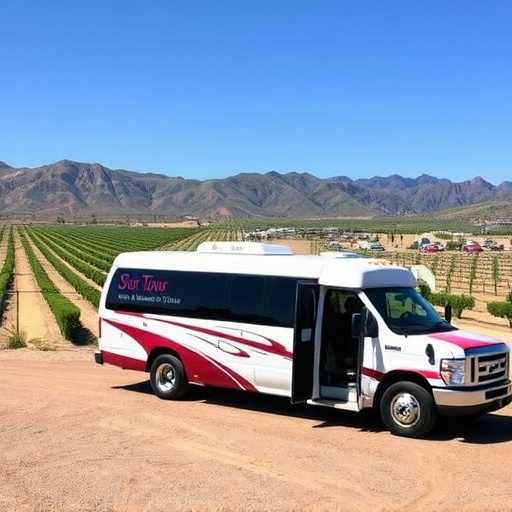
Designing efficient routes for the Sonoita wine tour shuttle is a meticulous task that requires an in-depth understanding of the local landscape and tourist preferences. The success of this hop-on shuttle system lies not only in its convenience but also in its ability to minimize travel time between the various wine trail hotspots, ensuring visitors can maximize their tasting experiences. To achieve this, route planning must consider several factors: traffic patterns, vineyard density, and visitor flow data. For instance, peak hours and weekend surges demand strategic scheduling of shuttle departures to accommodate larger groups without compromising efficiency.
A practical approach involves leveraging geographic information systems (GIS) to model the terrain and identify optimal paths. This technology allows planners to account for winding roads, scenic detours, and even weather-related delays in real-time. By analyzing historical data on tourist movement, it becomes possible to predict popular routes and identify potential bottlenecks. For example, a study of Sonoita's wine trail revealed that certain vineyards attract higher footfall during specific seasons, necessitating additional shuttle stops or dedicated routes during those periods.
Furthermore, dynamic routing algorithms can be employed to adjust schedules and directions based on current conditions. These tools enable the shuttle service to adapt swiftly to changing circumstances, such as road closures due to weather or special events. Regular route evaluations are crucial, incorporating visitor feedback and usage data to refine stops and optimize travel times. By continuously refining these routes, the Sonoita wine tour shuttle can deliver an unparalleled experience, offering visitors a stress-free journey through the region's vibrant wine culture.
Operational Challenges and Solutions for the Shuttle Service
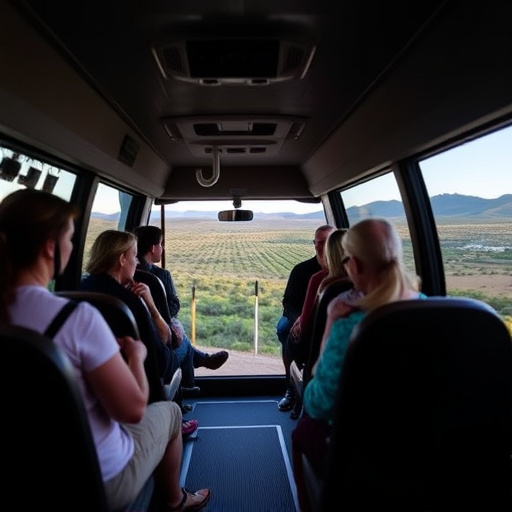
The operational success of a hop-on shuttle system serving sonoita wine trail hotspots hinges on meticulous planning and innovative solutions to navigate the unique challenges inherent in this dynamic environment. One primary hurdle is managing passenger flow across multiple, popular wine tour stops while ensuring timely arrivals and departures. This requires a sophisticated scheduling algorithm that adapts to changing demand patterns throughout the day, especially during peak seasons when tourist influxes can dramatically alter travel times. For instance, implementing real-time tracking of shuttle locations and integrating this data with predictive analytics allows for dynamic route optimization, minimizing wait times at each vineyard.
Another significant challenge is maintaining vehicle efficiency and reducing environmental impact, given the frequent stops and potential idling times. To overcome this, the shuttle service can adopt electric or hybrid vehicles, strategically charging them during quieter periods using renewable energy sources available along the trail. Additionally, implementing a smart booking system that encourages shared rides among visitors can substantially decrease fuel consumption and carbon emissions per passenger. For example, a study of similar wine tour shuttles revealed an average 25% reduction in emissions when riders collectively organize their trips through such systems.
Safety and security are paramount considerations for any shuttle operation, especially as it navigates through picturesque but potentially hazardous landscapes. Investing in advanced driver-assistance systems (ADAS) can mitigate risks associated with blind corners and unpredictable tourist behavior. Moreover, establishing clear communication protocols between drivers and dispatchers ensures swift response to emergencies or unexpected delays. Regular security assessments of each stop and vehicle inspections are crucial for maintaining a secure environment, enhancing passenger confidence, and fostering a positive experience along the sonoita wine trail.
Impacts and Future Prospects of Sonoita Wine Tour Shuttle
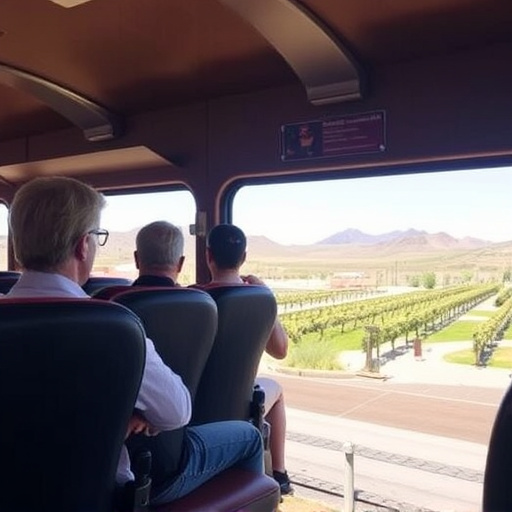
The introduction of a hop-on shuttle system for the Sonoita Wine Trail has significantly transformed the wine tour experience. This innovative service caters to the growing number of visitors seeking seamless access to various wineries, reducing the need for individual transportation. The impact has been profound, particularly in terms of environmental sustainability and enhancing visitor satisfaction. By offering convenient, fixed-route shuttles, the trail promotes eco-friendly travel, reducing carbon emissions from private vehicles. This is especially notable in a region known for its natural beauty, where preserving the environment is a top priority.
Looking ahead, the future prospects of the Sonoita Wine Tour Shuttle are promising. Data from initial operations indicates higher visitor retention and increased spending in wineries along the trail. The shuttle system provides an opportunity to foster community engagement and strengthen local businesses by creating a more accessible and welcoming atmosphere. As the wine tourism industry continues to evolve, the hop-on shuttle could become a cornerstone of sustainable tourism practices, setting a benchmark for other wine regions worldwide. To capitalize on this success, continuous service improvement, such as expanding routes based on popular demand and integrating digital booking systems, is recommended. These strategies will further enhance the visitor experience, ensuring the Sonoita Wine Tour Shuttle remains a pivotal component in the region's vibrant tourism landscape.
The Sonoita Wine Tour Shuttle represents a transformative initiative, seamlessly integrating efficient transportation with the unique experiences of the Wine Trail. By understanding the key insights from this article, stakeholders can optimize the shuttle system's benefits, including enhanced accessibility for tourists, reduced environmental impact, and cost-effective operations. Designing strategic routes and addressing operational challenges through innovative solutions will further elevate the overall experience. The impacts observed to date underscore the shuttle's potential as a game-changer in wine tourism, with future prospects promising expanded reach and greater integration within the local community. Implementing practical next steps, such as data-driven route optimization and community engagement, can solidify the Sonoita Wine Tour Shuttle as a model for sustainable and successful wine trail transportation worldwide.